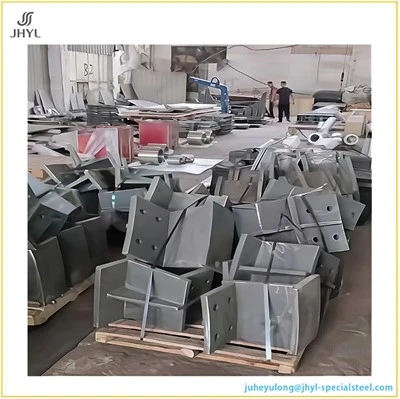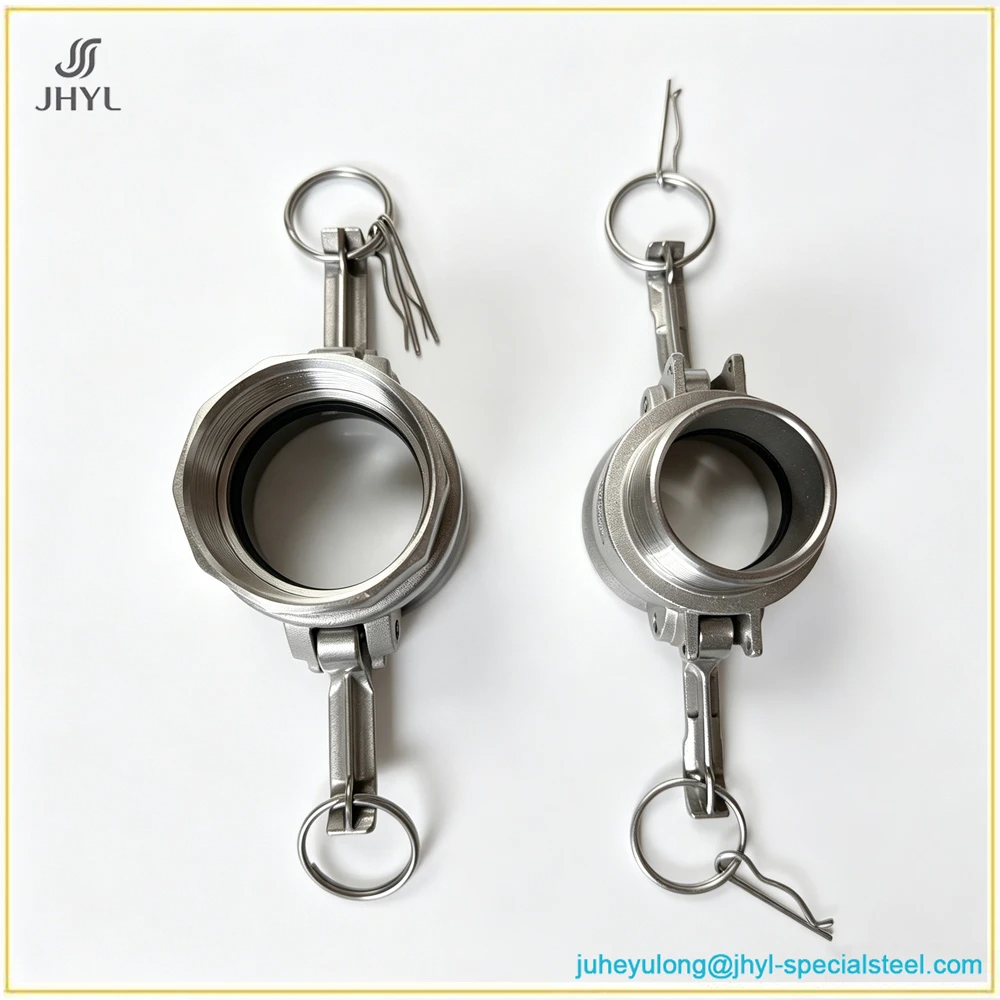
The wear resistance of Alloy Steel Casting Components is mainly influenced by several factors, including chemical composition, metal microstructure, heat treatment processes, and actual working conditions. Compared with ordinary steel, certain alloy steels can achieve improved performance in friction, impact, and abrasive environments through the addition of appropriate alloying elements. As a result, Alloy Steel Casting Components are widely used in mining machinery, crushing equipment, metallurgical equipment, and other industrial applications requiring wear-resistant components.
First, alloying elements can improve material structure and performance. Common alloying elements in alloy steel include chromium, manganese, nickel, molybdenum, and vanadium. These elements perform different functions in the material. For example, chromium can improve hardness and wear resistance in certain alloy steels. Manganese can influence the microstructure and work-hardening characteristics of the material. Molybdenum can improve hardenability and high-temperature performance in certain steel grades. Through appropriate chemical composition design, manufacturers can achieve a combination of properties suitable for specific operating conditions.
Second, material hardness plays an important role in wear resistance. In many industrial applications, components remain in continuous contact with ores, gravel, particles, and other abrasive materials. If the surface hardness is insufficient, the material may be more susceptible to scratching, abrasion, and material loss. Certain alloy steels can achieve higher hardness after appropriate heat treatment, improving their resistance to abrasive wear and surface damage.
Third, the internal metal microstructure affects wear performance. Different alloy steels may develop different metallographic structures after casting and heat treatment. For example, martensite, bainite, and other microstructural forms can influence hardness, toughness, and wear resistance in different ways. By properly controlling the microstructure, manufacturers can achieve a suitable balance between hardness and toughness to meet the requirements of different components.
Fourth, heat treatment can improve material performance. Depending on the material type and application requirements, Alloy Steel Casting Components may undergo annealing, normalizing, quenching, and tempering. Quenching can increase the hardness of certain alloy steels, while tempering helps adjust the microstructure and toughness and reduces the risk of excessive brittleness. Proper heat treatment helps the castings achieve wear resistance suitable for their actual operating conditions.
Fifth, the wear performance of Alloy Steel Casting Components is also related to impact resistance. In mining machinery and crushing equipment, components are often exposed to both friction and repeated impacts from ores or other materials. If a material has high hardness but insufficient toughness, cracking or spalling may occur under impact. Therefore, wear-resistant castings generally require a reasonable balance between hardness and toughness to withstand complex operating conditions.
Sixth, appropriate casting processes help improve product quality. Defects such as porosity, inclusions, and shrinkage cavities inside castings may affect their overall structural integrity and wear performance. During production, melting, pouring, solidification, and cooling processes should be properly controlled to reduce casting defects. Necessary subsequent inspections should also be conducted to help ensure product quality.
In addition, actual wear resistance is influenced by material hardness, friction conditions, operating temperature, load levels, and the working environment. Even when a material has good inherent wear resistance, it may still experience accelerated wear if used under unsuitable operating conditions.
It is important to note that not all Alloy Steel Casting Components have the same wear resistance. Different chemical compositions, microstructures, and heat treatment processes result in different performance characteristics.
Overall, Alloy Steel Casting Components can achieve good wear resistance because alloying elements improve the material's microstructure, appropriate heat treatment adjusts hardness and toughness, and well-controlled casting processes help maintain overall product quality.