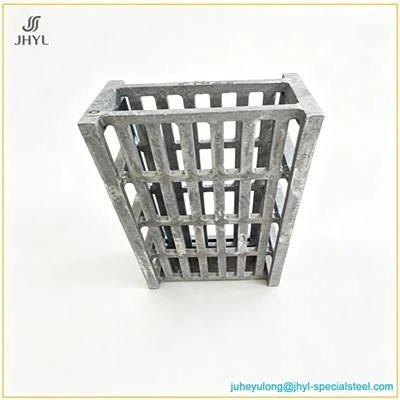
Cracks in Alloy Steel Casting Parts are usually caused by a combination of factors rather than a single issue. Possible causes include the casting process, the internal condition of the material, installation methods, and actual operating conditions. Different crack locations, shapes, and development patterns may indicate different causes. Therefore, when a crack is discovered, it should be analyzed in relation to the component's operating history rather than being judged solely from its surface appearance.
During the casting process, significant internal stresses may develop as the metal solidifies and cools. These stresses can become concentrated in certain areas of the component. When the structure contains significant variations in thickness, sharp corners, or other areas prone to stress concentration, internal stress may become more pronounced. If these stresses are not effectively relieved, cracks may gradually appear during subsequent operation.
Temperature changes are another important factor that can contribute to cracking. When Alloy Steel Casting Parts operate in high-temperature environments and are frequently heated and cooled, different areas of the component may experience temperature variations. This can cause the material to undergo repeated thermal expansion and contraction. Long-term thermal cycling may subject certain areas to repeated thermal stress. If this continues over time, small defects may gradually develop into larger cracks.
Mechanical loads can also affect crack formation and growth. If Alloy Steel Casting Parts are subjected to heavy loads for extended periods, or if they experience sudden impacts, vibration, or abnormal loading, certain areas may be exposed to excessive stress. Components that already contain small defects may be particularly vulnerable to crack growth when they continue to operate under mechanical loads.
Improper installation may also cause abnormal local stresses. For example, uneven loading at connection points, inappropriate fastening, or abnormal compression between the component and adjacent structures may cause certain areas of an Alloy Steel Casting Parts component to remain under excessive stress. If vibration occurs during operation, the risk of cracking may increase further.
In addition, corrosion and wear may indirectly contribute to crack formation or propagation. When the surface of a component is exposed to corrosion for an extended period, localized damage or surface defects may develop. These damaged areas can become points of stress concentration. If the equipment continues operating under mechanical loads, the damage may gradually extend deeper into the component.
When cracks are discovered, it is not recommended to simply ignore them or continue operating the component under heavy loads. The location, length, and possible growth of the crack should first be observed, while nearby areas should also be checked for deformation, corrosion, wear, or abnormal loading. If the crack affects structural integrity, professional inspection should be carried out promptly, and repair or replacement should be considered based on the inspection results.
During routine operation, sudden impacts, abnormal overloading, and severe temperature fluctuations should be avoided whenever possible. The surface condition of Alloy Steel Casting Parts should also be checked regularly. Proper installation, correct operation, and timely maintenance can help reduce the risk of crack formation and prevent existing damage from developing further.