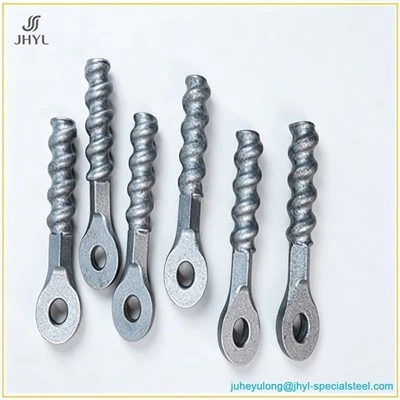
Regular inspection is an important part of maintaining Alloy Steel Forged Rings during long-term operation in mechanical equipment. Particularly in equipment that operates continuously, carries relatively high loads, experiences significant vibration, or works in complex environments, Alloy Steel Forged Rings may be continuously affected by friction, mechanical forces, and environmental factors. Regular inspections can help determine the actual condition of the rings and identify potential problems at an early stage.
The appearance of the Alloy Steel Forged Rings should be inspected first. Pay attention to whether the surface has developed obvious scratches, wear, cracks, dents, peeling, or deformation. If the surface condition has changed noticeably compared with its normal operating condition, the cause should be investigated further. Areas that are particularly exposed to friction should receive additional attention to determine whether localized or uneven wear is occurring.
The mating condition between the Alloy Steel Forged Rings and other mechanical components should also be checked. During long-term operation, some mating components may gradually wear, changing the original contact relationship. If loosening, displacement, or unstable alignment occurs, localized loads on the Alloy Steel Forged Rings may increase and accelerate wear. Therefore, inspections should cover both the rings themselves and the condition of related components.
Lubrication is another important aspect of regular inspection. If lubrication is required at the relevant mechanical location, the lubrication condition should be checked to ensure that it remains appropriate. Inspect for insufficient lubrication, contaminated lubricant, or an accumulation of contaminants around the lubricated area. Proper lubrication can help reduce friction, while poor lubrication conditions may increase friction and accelerate surface wear.
The operating noise and vibration of the equipment can also provide useful indications of the condition of Alloy Steel Forged Rings. If the equipment normally operates with relatively stable noise but later develops noticeable friction sounds, impact sounds, or other unusual noises, the relevant components should be inspected promptly. Similarly, if the equipment develops more significant vibration than under normal conditions, further inspection should be carried out to determine whether installation misalignment, component wear, or abnormal mating conditions are present.
For equipment operating in complex environments, the surrounding area should also be checked for dust, sand, metal particles, moisture, or other contaminants. Contaminants that accumulate over time may enter mechanical contact areas and negatively affect the rings and other mating surfaces. Keeping the working area clean is therefore an important part of routine inspection and maintenance.
The inspection frequency can be adjusted according to the actual operating conditions of the equipment. For machinery that operates continuously or works in relatively demanding environments, inspections may need to be performed more frequently. Equipment with shorter operating periods and relatively stable working conditions can be inspected according to an appropriate maintenance schedule. The purpose of inspection is not simply to perform checks mechanically, but to identify changes in operating conditions as early as possible.
If minor wear, insufficient lubrication, or other general issues are discovered during an inspection, appropriate cleaning, lubrication, or adjustment should be performed promptly, followed by continued observation. If obvious cracks, severe wear, significant deformation, or abnormal operation is detected, further action should be taken. When necessary, the equipment should be stopped to prevent the problem from becoming more serious.
Regular inspection of Alloy Steel Forged Rings therefore helps evaluate not only the condition of the rings themselves but also the operating condition of related mechanical components. By combining visual inspection, lubrication checks, mating-condition checks, and observation of equipment operation, potential problems can be identified earlier and the equipment can be maintained in a more stable working condition.