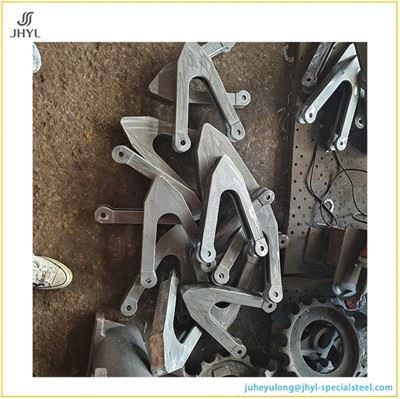
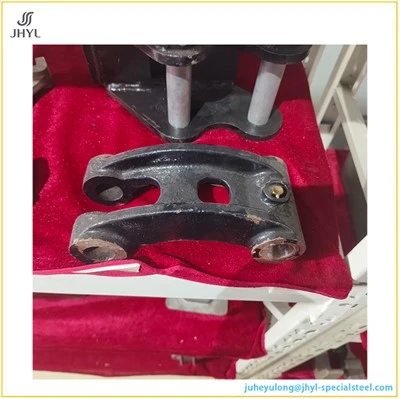
Natural wear of Chain Grate Stoker Bars cannot be completely eliminated. Nevertheless, standardized operation, routine maintenance and stable combustion conditions can significantly slow down the abrasion rate, extend service life and reduce various faults such as cracking, deformation, wear and jamming. This helps lower equipment maintenance costs and guarantee stable boiler operation. Improvement measures can be implemented from four aspects: working condition regulation, regular cleaning, operation standardization and fuel management.
First of all, stabilize boiler combustion conditions to reduce temperature-related wear. Temperature fluctuation is the leading cause of wear for Chain Grate Stoker Bars. Maintain stable boiler loads during daily operation; avoid frequent startup and shutdown, sudden load rise or drop and sharp furnace temperature swings to reduce thermal stress damage brought by cyclic expansion and contraction. Adjust combustion status timely to prevent flame deviation and concentrated local open flames that cause local overtemperature. Ensure uniform heating of the entire grate to fundamentally reduce thermal deformation and thermal cracks and relieve thermal fatigue wear.
Secondly, implement regular clinker and ash cleaning maintenance. Ash and molten clinker generated from fuel combustion are major factors accelerating bar wear. Carry out periodic inspections during shutdown and thoroughly remove consolidated clinker and hard ash on surfaces and gaps of Chain Grate Stoker Bars. Clinker accumulation leads to local overtemperature and uneven heating. It also blocks bar gaps and causes jamming and breakage due to mechanical extrusion. Timely cleaning ensures smooth heat dissipation and flexible operation of the grate and avoids continuous damage caused by clinker tension and heat accumulation. Do not knock hard during cleaning to prevent artificial impact damage to Chain Grate Stoker Bars.
Thirdly, strictly standardize equipment operation and eliminate avoidable wear. Never spray or inject cold water for cooling under high temperatures; allow natural and gradual heat dissipation after shutdown to protect the metal toughness of Chain Grate Stoker Bars. Prevent long-term boiler overloading, which pushes furnace temperature beyond normal ranges and increases load pressure on the grate, accelerating material aging and abrasion. Reasonably control the operating speed of the grate and avoid excessive speed that intensifies material friction and mechanical loss. Stable and uniform operation can effectively reduce mechanical wear.
Finally, optimize fuel management to reduce medium-induced wear. Select appropriate fuel types and limit large-volume input of high-ash, highly clinkering fuel and fuel containing abundant hard impurities. High-ash fuel aggravates surface scouring wear of Chain Grate Stoker Bars; highly clinkering fuel easily forms thick clinker layers; hard impurities continuously strike and scrape the bars and lead to structural damage. Fuel screening and pretreatment to reduce the consumption of low-quality fuel can effectively mitigate continuous abrasion and corrosion caused by fuel, comprehensively slowing the overall wear of Chain Grate Stoker Bars.