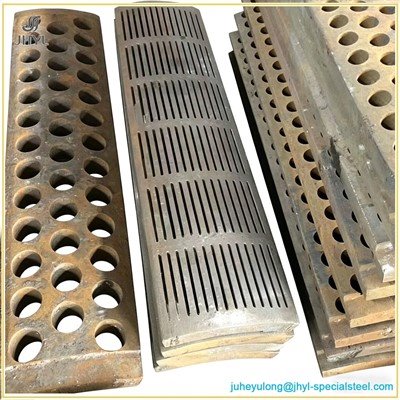
In the realm of waste incineration, the chain grate bar stands as an indispensable component, playing a multifaceted and crucial role. As a dedicated chain grate bar supplier, I've witnessed firsthand how these unassuming bars contribute to the efficiency, reliability, and environmental sustainability of waste - incineration processes. In this blog, I'll delve into the various aspects of the chain grate bar's role in waste incineration.
1. Waste Feeding and Distribution
One of the primary functions of the chain grate bar in waste incineration is to facilitate the uniform feeding and distribution of waste materials on the incineration grate. The chain grate system moves continuously, transporting the waste from the feeding end to the burnout end. The design of the chain grate bars ensures that the waste is spread evenly across the grate surface.
The chain grate bars are arranged in a way that allows for a smooth flow of waste. They are typically made with a specific profile and spacing that prevent the waste from clumping together. This even distribution is essential because it ensures that all parts of the waste load are exposed to the combustion process evenly. For instance, if the waste is piled up unevenly, some areas may receive more oxygen and burn faster, while others may be left unburned, leading to inefficiencies and incomplete combustion.
2. Combustion Support and Air Supply
During the incineration process, a proper supply of air is crucial for efficient combustion. The chain grate bars are engineered to support effective air distribution beneath the waste layer. The gaps between the chain grate bars allow primary air to be introduced into the incineration chamber. This primary air serves multiple purposes.
Firstly, it provides the oxygen necessary for the oxidation of the waste. Different types of waste require different amounts of oxygen for complete combustion. The chain grate bar system can be adjusted to control the flow rate and distribution of the primary air, ensuring that the combustion process is optimized for the specific waste composition.
Secondly, the primary air also helps in maintaining the right temperature on the grate surface. It cools the grate bars to prevent over - heating and deformation, which is especially important considering the high temperatures generated during waste incineration. Our Chain Grate Bar is designed with precise gap sizes and shapes to ensure a consistent and controlled air supply, enhancing the overall combustion efficiency.
3. Mechanical Support and Durability
The chain grate bars are responsible for bearing the weight of the waste load throughout the incineration process. They need to be strong enough to withstand the heavy weight of the waste, as well as the mechanical stress caused by the continuous movement of the grate system.
In waste incineration plants, the environment is harsh, with high temperatures, corrosive gases, and abrasive waste materials. Our chain grate bars are made from high - quality materials such as Alloy Steel Grate Bars. Alloy steel offers excellent heat resistance, corrosion resistance, and mechanical strength. This ensures that the chain grate bars can operate continuously under extreme conditions without significant wear and tear.
Additionally, the chain grate bar's design allows for easy replacement of individual bars in case of damage. This modular design reduces maintenance time and costs, ensuring that the incineration plant can resume normal operation quickly.
4. Ash Removal
After the waste has been burned, the remaining ash needs to be removed from the incineration chamber. The chain grate bar system plays a vital role in this process. As the chain grate moves, the burned ash is gradually transported to the end of the grate, where it can be collected and removed.
The design of the chain grate bars helps in the separation of the ash from the unburned waste. The gaps between the bars allow small particles of ash to fall through, while the larger unburned waste continues to move along the grate for further combustion. This efficient ash removal process is crucial for maintaining the cleanliness of the incineration chamber and preventing the accumulation of ash, which could otherwise impede the combustion process and damage the equipment.
5. Adaptability to Different Waste Types
Waste composition can vary significantly depending on the source. It may include municipal solid waste, industrial waste, or biomass. The chain grate bar system is highly adaptable to different waste types.
For example, when dealing with biomass waste, which is generally lighter and more porous, the chain grate bars can be adjusted to provide a slower movement speed and a different air distribution pattern. This allows for a more gentle combustion process, ensuring that the biomass is fully burned without being blown off the grate.
On the other hand, when incinerating industrial waste, which may be denser and contain more metallic or non - combustible materials, the chain grate bars need to be more robust. Our Grate Bar for Power Plant is designed to handle a wide range of waste types, providing flexibility to waste incineration plants.
6. Comparison with Other Grate Systems
There are other grate systems available for waste incineration, such as the Reciprocating Grate. While reciprocating grates have their own advantages, the chain grate bar system offers some unique benefits.


The chain grate bar system provides a continuous and smooth movement of the waste, which is beneficial for maintaining a stable combustion process. In contrast, reciprocating grates move in a back - and - forth motion, which may cause some instability in the waste layer.
Moreover, the chain grate bar system is generally more suitable for large - scale waste incineration plants due to its high - capacity and continuous operation capabilities. It can handle a larger volume of waste per unit time, making it a preferred choice for many industrial applications.
7. Environmental Impact and Sustainability
In today's world, environmental protection is of utmost importance. The chain grate bar system contributes to the environmental sustainability of waste incineration in several ways.
By ensuring efficient combustion, the chain grate bar system reduces the emission of pollutants such as particulate matter, carbon monoxide, and dioxins. When the waste is burned completely, fewer harmful substances are released into the atmosphere.
The system also helps in the recovery of energy from waste. The heat generated during the incineration process can be used to produce steam, which can then be used for power generation or heating purposes. Our Heat Resistant Grate Bars For Traveling Grate Boiler System are designed to maximize heat transfer, improving the overall energy efficiency of the waste incineration plant.
In conclusion, the chain grate bar plays a central and multi - dimensional role in waste incineration. From waste feeding and distribution to combustion support, mechanical protection, ash removal, and environmental sustainability, its importance cannot be overstated. If you are in the market for high - quality chain grate bars for your waste incineration plant, we are here to provide you with top - notch products and professional technical support. Contact us to start your procurement discussion and find the best chain grate bar solutions for your specific needs.
References
- Grover, T. D. (2019). Waste-to-Energy Technologies: A Sustainable Approach. Wiley.
- Tillman, D. A. (2018). Introduction to Combustion Engineering. CRC Press.
- Jenkins, B. M., & Baxter, L. L. (Eds.). (2017). Biomass Gasification and Pyrolysis: Practical Design and Theory. Elsevier.