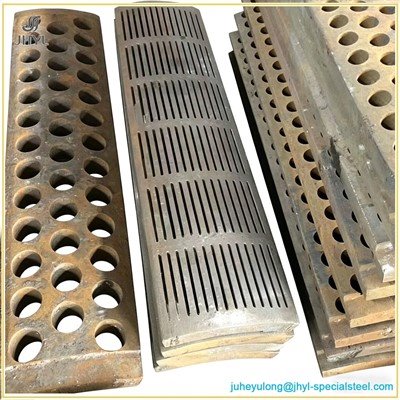
If you work with industrial furnaces, sintering machines, or power plant boilers, you know how critical grate bars are to keeping operations running smoothly. These sturdy components bear the weight of raw materials, withstand extreme heat, and facilitate the flow of air (or other gases) through the combustion or processing zone-without them, material distribution gets uneven, efficiency drops, and unplanned downtime spikes. As a supplier who's been working with high-quality grate bars for over a decade, I've seen firsthand how proper cleaning can extend the life of these parts by years, while cutting maintenance costs and preventing costly breakdowns. Today, I'm pulling back the curtain on the science of cleaning grate bars, sharing methods I've tested in real-world applications, and tying it back to the purpose of the durable products my team provides.

First, let's get clear on why grate bars need regular cleaning. Over time, ash, clinker, unburned carbon, and residual sintered material build up on the bar surfaces, especially between the bars where gaps are critical for airflow. If left unchecked, this buildup can narrow or block those gaps, reducing combustion efficiency by up to 15% in some sintering applications, according to data from the Industrial Combustion Association (ICA). For operators using sintering machines, this means slower processing times and higher fuel bills; for power plant teams, it can lead to reduced steam output and higher emissions. The type of grate bar you use also impacts cleaning frequency and method: high chromium heat-resistant bars hold up better to high temperatures but are more prone to clinker adhesion if not cleaned regularly, standard heat-resistant steel bars work well for lower-temperature machinery parts, and specialized bars like 1.4776 cast metal or chain grate bars have unique surface textures that require tailored care.
Before diving into cleaning steps, it's important to know when to clean-rushing the job can damage delicate bar surfaces, while waiting too long creates buildup that's much harder to remove. I recommend setting a schedule based on your operation: for sintering machines that run 24/7, a weekly spot check and monthly deep clean is ideal; for power plant grate bars that operate with varying loads, clean after every 500 operating hours or when you notice a drop in airflow (you can test this by measuring pressure across the grate- a 10%+ increase in pressure signals blockages). Always perform any cleaning on cool bars, never hot-thermal shock can crack even the most durable grate materials.
Now, the core of this guide: a step-by-step cleaning process that balances effectiveness with part longevity, adapted to different grate bar types. Let's break it down by method, starting with the most common (and easiest) for routine maintenance, then moving to deeper, periodic cleans.
Routine Dry Cleaning (For Ash & Light Buildup)
This method is perfect for weekly upkeep and works well for all grate bar types, from High Cr Heat Resistant Grate Bar For Sintering Machine to Chain Grate Bar. Here's how I've used it successfully for sintering clients: First, shut down the machine and let the bars cool completely (to below 100°F/38°C). Next, use a stiff, heat-resistant nylon brush (avoid steel brushes-they can scratch the bar surface, creating rough spots where buildup will stick later) to scrub the top and sides of each bar, paying extra attention to the gaps between bars where ash accumulates. For smaller gaps that a brush can't reach, use compressed air (30-40 PSI max-too much pressure can bend or warp thin bars) to blow out loose debris. This method takes 1-2 hours for a standard sintering machine and prevents light buildup from hardening.
Periodic Wet Cleaning (For Clinker & Hard Residue)
When buildup has hardened into clinker or fused material, dry cleaning won't cut it-you need wet cleaning, which is better for removing stubborn residue without damaging the bar's protective oxide layer. This works well for both Heat Resistant Steel Grate Bar for Machinery Parts and power plant grate bars. Start by mixing a mild, alkaline industrial cleaner (look for one with a pH of 8-10-strong acids will etch metal surfaces) with warm water in a low-pressure sprayer. Apply the solution evenly across the grate, let it sit for 15-20 minutes to break down the clinker, then use a plastic scraper (never metal) to gently lift the softened residue. Rinse thoroughly with low-pressure water to avoid forcing water into gaps where it can cause rust, then let the bars air dry completely before restarting operations. A pro tip I learned from a power plant client: add a small amount of non-ionic surfactant to the cleaning solution-it reduces surface tension, helping the solution penetrate even the tightest clinker cracks.
Specialized Cleaning for 1.4776 Cast Metal Bar For Boilers
1.4776 cast metal is a popular choice for boilers because of its excellent resistance to high-temperature corrosion, but its rough cast surface can trap residue more easily than wrought bars. For these bars, I recommend a semi-chemical cleaning process every 6 months. After cooling, apply a thick paste of food-grade sodium bicarbonate and water to the bar surfaces, let it sit for 30 minutes, then gently scrub with a soft steel wool pad (only 0000 grade to avoid scratching). Rinse well and dry with a lint-free cloth to prevent any residual alkalinity from causing long-term corrosion. Never use strong solvents on 1.4776 bars-they can break down the cast metal's protective properties.
Preventive Maintenance to Reduce Future Buildup
Cleaning is half the battle; the other half is taking steps to reduce buildup in the first place, which means less frequent and less intensive cleaning. Here are strategies I share with all my clients: First, ensure proper fuel combustion-unburned carbon is a major contributor to residue, so adjusting air-to-fuel ratios to meet your grate bar specifications can cut buildup by up to 40%, according to ICA data. Second, install a small pre-filter at the inlet of your grate system to catch large particulate before it reaches the bars. Third, choose the right grate bar for your application: if you're operating a high-heat sintering machine, the High Cr Heat Resistant Grate Bar For Sintering Bar is designed to withstand temperatures up to 1800°F and has a smooth surface that resists clinker adhesion, reducing cleaning time significantly. For machinery parts that operate at lower temperatures, Heat Resistant Steel Grate Bar for Machinery Parts offer a cost-effective balance of durability and ease of cleaning. For boiler applications, 1.4776 Cast Metal Bar For Boilers' corrosion resistance means it holds up longer between cleans.
Common Mistakes to Avoid When Cleaning Grate Bars
I've seen operators make these mistakes so often that I always warn clients against them. First, cleaning hot bars: even high-chrome alloys are susceptible to cracking from thermal shock when exposed to cold water or cleaning solution while hot. Second, using abrasive tools like steel brushes or metal scrapers: these scratch the bar surface, creating tiny crevices where residue can build up faster, leading to premature wear. Third, skipping rinsing after wet cleaning: leftover cleaning solution can eat away at the bar's protective layer over time, especially in high-humidity operating environments. Fourth, over-compressed air during dry cleaning: this can bend thin grate bars, like some Chain Grate Bar models, which are designed to flex slightly during operation, not withstand high-pressure air.
How Often Should You Replace Grate Bars?
Even with proper cleaning, grate bars will eventually wear out. Signs you need replacement include uneven gaps between bars, deep scratches or cracks, or a consistent drop in airflow and efficiency even after thorough cleaning. As a supplier, I recommend scheduling replacement every 2-5 years, depending on application: sintering machines with high heat and heavy loads may need replacement every 2 years, while power plant bars with moderate loads can last up to 5 years. When replacing, opt for bars matched to your specific needs: Chain Grate Bar models are designed for conveyor-style grate systems, while Grate Bar for Power Plant are engineered to handle fluctuating steam loads.
At the end of the day, cleaning grate bars isn't just a maintenance task-it's an investment in operational efficiency, reduced downtime, and lower long-term costs. Whether you're working with sintering machines, boilers, or power plants, following these science-backed cleaning steps will extend the life of your grate bars, keep your operations running smoothly, and reduce unplanned stops. If you're looking for high-quality, easy-to-clean grate bars tailored to your application-whether you need High Cr Heat Resistant Grate Bar For Sintering Machine, Heat Resistant Steel Grate Bar for Machinery Parts, or any other specialized model-reach out to our team to discuss your requirements and find the perfect solution for your operations.
References
Industrial Combustion Association. (2022). Maintenance Best Practices for Industrial Grate Systems. ICA Technical Report Series.
American Society of Mechanical Engineers (ASME). (2021). Boiler and Pressure Vessel Code, Section II: Material Specifications for Cast and Wrought Alloys. ASME International.
European Steel Construction Institute. (2020). Performance Guidelines for High-Chrome Grate Bars in High-Temperature Sintering Applications. ESCI Technical Bulletin.