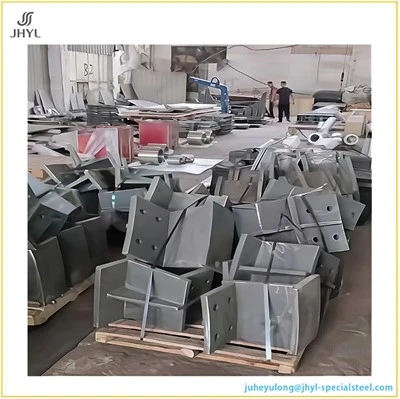
Alloy Steel Casting Components are widely used in mining machinery, metallurgical equipment, crushing equipment, and heavy construction machinery. One important reason is that certain alloy steel materials can achieve mechanical properties suitable for high-load working environments through appropriate chemical composition design and heat treatment. In industrial applications, high loads do not simply refer to substantial mechanical forces. They may also involve repeated impact, continuous friction, and complex operating conditions. These factors place considerable demands on the overall performance of cast components.
First, Alloy Steel Casting Components offer suitable mechanical strength. Load-bearing components in industrial machinery must withstand forces generated by equipment weight, working loads, and mechanical transmission. If the material does not have sufficient strength, deformation or structural damage may occur. Through appropriate alloy selection and manufacturing processes, alloy steel castings can achieve strength characteristics suitable for specific operating conditions, providing necessary load-bearing support.
Second, certain Alloy Steel Casting Components offer good impact resistance. During mining and material crushing operations, mechanical components are frequently subjected to repeated impacts from ores and other materials. If the material lacks sufficient toughness, prolonged impact may increase the risk of crack propagation and fracture. Appropriate material selection and heat treatment can improve the balance between strength and toughness, making the castings more suitable for certain impact-intensive working environments.
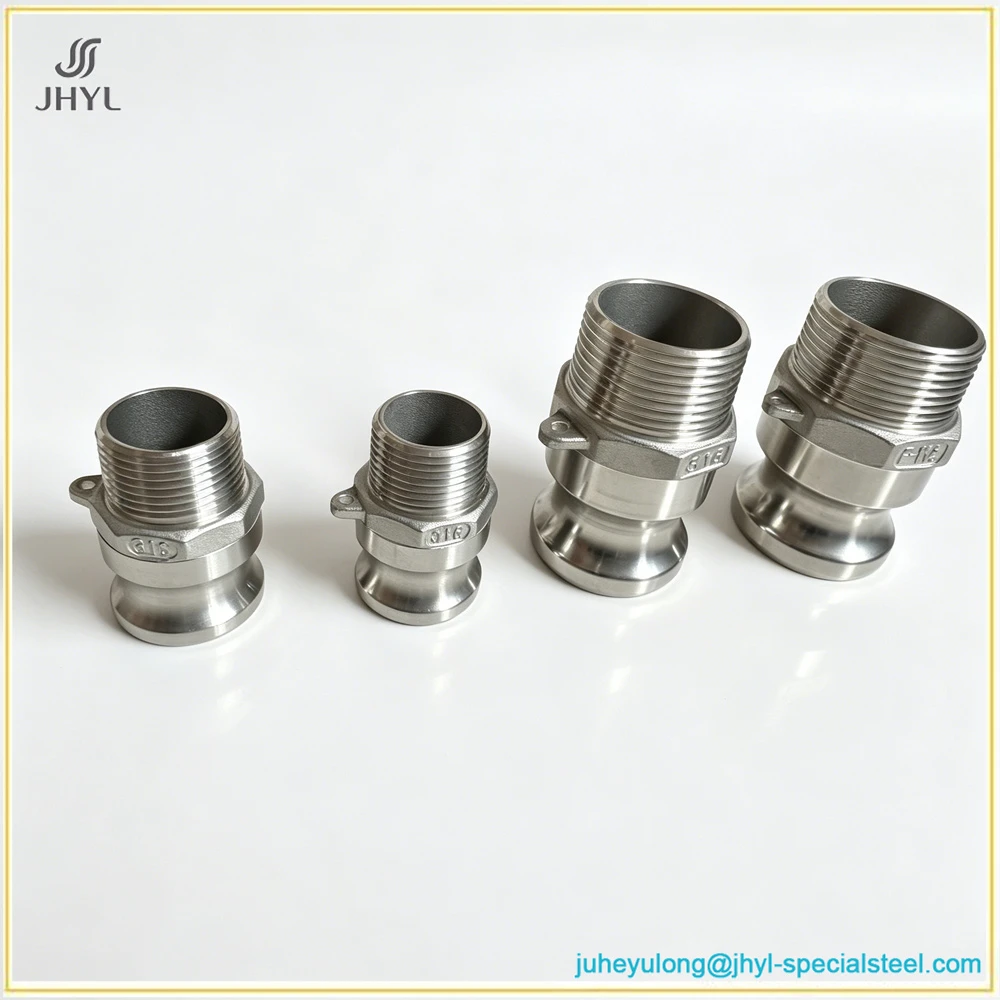
Third, Alloy Steel Casting Components can offer good wear resistance. In high-load operating environments, components may not only withstand mechanical pressure but also remain in continuous contact with ores, gravel, and other abrasive materials. Certain alloy steels can achieve improved hardness and wear resistance through the addition of alloying elements such as chromium and manganese, combined with appropriate heat treatment. This helps components withstand continuous friction and wear.
Fourth, Alloy Steel Casting Components can adapt to complex mechanical operating conditions. Heavy industrial machinery often operates for extended periods, and its components may be exposed to loads, vibration, impact, and temperature changes simultaneously. Suitable alloy steel materials can provide a balanced combination of different mechanical properties, helping castings meet the requirements of specific working conditions.
Fifth, heat treatment can improve the internal microstructure of Alloy Steel Casting Components. Heat treatment is an important manufacturing process that affects alloy steel performance. Depending on the material composition and application requirements, castings may undergo annealing, normalizing, quenching, or tempering. These processes can improve the microstructure and adjust hardness and toughness, helping the material achieve mechanical properties suitable for its intended application.
Sixth, appropriate casting processes help improve product quality. For castings used under high loads, internal microstructure and surface condition are particularly important. During manufacturing, attention should be paid to melting, pouring, solidification, and cooling processes to reduce the effects of casting defects such as porosity, inclusions, and shrinkage cavities. Necessary inspections should also be carried out according to the actual application requirements.
In addition, the actual performance of Alloy Steel Casting Components under high-load conditions depends on their structural design, loading methods, installation conditions, and equipment operating environment. Even when high-performance alloy steel is used, excessive equipment loading or improper installation may cause premature component damage.
It is important to note that different alloy steels have different performance characteristics. Not all Alloy Steel Casting Components have identical strength, toughness, or wear resistance. Their performance should be evaluated according to the specific material and working conditions.
Overall, the main characteristic of Alloy Steel Casting Components in high-load environments is their ability to achieve a suitable balance of strength, toughness, and wear resistance through material composition and manufacturing process control. This provides suitable component solutions for heavy industrial equipment.