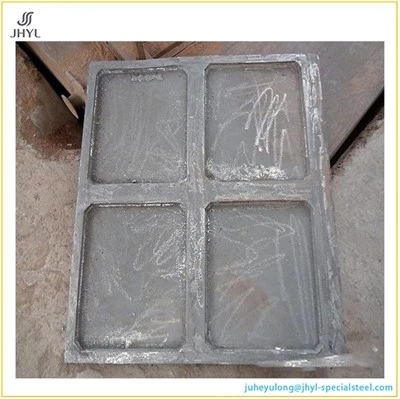
A Crusher Wear-Resistant Liner plays an important role throughout the crushing process. It is not only a protective component inside the equipment but also helps maintain the working surfaces of the crushing chamber, material contact conditions, and the overall wear condition of the machine. During ore crushing, rock processing, and aggregate production, materials are gradually broken down through compression, collision, and friction. These processes continuously affect the internal structure of the crusher, making the wear-resistant liner an essential component.
First, the liner protects the internal structure of the equipment. During crusher operation, materials continuously enter the crushing chamber and come into contact with its internal surfaces. Without suitable wear protection, these materials may directly impact the crusher housing and other critical structures, causing surface wear or localized damage.
Second, the liner withstands impact generated by materials during crushing. Ores and rocks generally have relatively high hardness. During the crushing process, they are subjected to mechanical forces and collide with internal equipment surfaces. This is particularly noticeable when processing large pieces of material, which may generate considerable localized impact. Within its intended operating conditions, the Crusher Wear-Resistant Liner can withstand these impacts and help reduce direct damage to the crushing chamber.

Third, the liner resists continuous friction and scraping. As materials move inside the crushing chamber, they may slide, roll, or become compressed against the liner surface. Materials with different shapes and hardness levels create different degrees of friction. Over time, these forces gradually wear away the surface material. The wear-resistant liner uses appropriate material properties to resist this wear and protect the internal contact areas of the equipment.
Fourth, the liner helps maintain the working geometry of the crushing chamber. The internal profile of the crushing chamber influences material movement and the forces applied during crushing. If the liner becomes severely worn, the original working surface may change, affecting how materials move through the chamber. Maintaining the liner in a suitable working condition helps preserve the intended internal structure and reduces changes in operating conditions caused by localized wear.
Fifth, the liner helps reduce maintenance pressure on the main equipment structure. If certain internal components are directly exposed to long-term impact and friction, they may experience serious damage, making repairs more complicated. A Crusher Wear-Resistant Liner is a separate protective component that can be inspected and replaced when it reaches an unacceptable level of wear. This concentrates part of the wear on a component that is generally easier to maintain and helps reduce direct damage to the main equipment structure.
Sixth, the liner also contributes to stable equipment operation. When the liner remains in good condition, the internal contact surfaces of the crushing chamber are relatively stable. However, if the liner experiences severe localized wear, becomes loose, or develops cracks, the contact conditions between the material and the equipment may change. This can potentially cause abnormal vibration or other operating problems. Maintaining the liner's structural integrity and secure installation is therefore important for normal crusher operation.
Overall, a Crusher Wear-Resistant Liner primarily provides internal equipment protection, impact resistance, friction and abrasion protection, crushing chamber structure maintenance, and support for stable equipment operation. It is one of the key protective components for maintaining the long-term performance of crushing equipment.