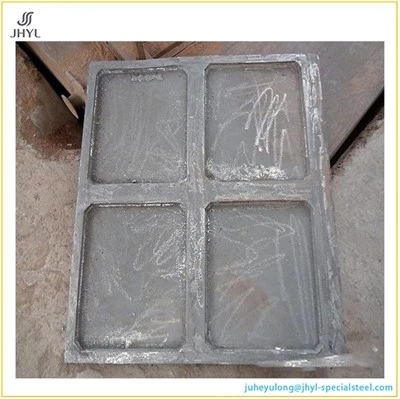
During long-term operation, a Crusher Wear-Resistant Liner is exposed to various forces, including material impact, friction, and compression. A certain degree of wear is normal. However, under unsuitable operating conditions, the wear rate may increase significantly. This not only shortens the service life of the liner but may also affect crushing efficiency and equipment stability. Understanding the main factors that accelerate liner wear helps manufacturers improve operating conditions and manage equipment more effectively.
First, high material hardness and strong abrasive properties can accelerate liner wear. Crushers process many types of materials, including limestone, granite, iron ore, and other minerals. Harder and more abrasive materials generally create stronger friction and scraping forces on the liner surface, causing the material to wear away more quickly.
Second, particle shape also affects the wear rate. Some materials have sharp edges or irregular shapes that can create localized scraping and concentrated friction when they come into contact with the liner. Compared with materials that have relatively smooth or rounded surfaces, these materials may cause more noticeable surface damage. When processed continuously, they can create grooves, scratches, and uneven wear on the liner.
Third, excessive material impact increases the load on the liner. If the feed contains large pieces of material or enters the crushing chamber from a considerable height, it may generate strong instantaneous impacts. Repeated impacts not only accelerate surface wear but may also increase the risk of localized deformation and cracking. Therefore, the feeding process should be controlled according to the crusher's actual operating requirements.
Fourth, uneven material distribution can cause localized excessive wear. If materials continuously enter one side or a specific area of the crushing chamber, that section may experience more impact and friction than other areas. Over time, the liner may develop noticeable uneven wear, and certain sections may reach the replacement stage earlier than others.
Fifth, a mismatch between the liner material and actual working conditions may accelerate wear. Different materials have different levels of hardness, toughness, and wear resistance. If the working environment involves heavy impact but the selected material is not suitable for impact conditions, cracking or localized damage may occur. If the primary challenge is continuous friction and abrasion, insufficient wear resistance may result in faster surface deterioration. Material selection should therefore consider both material characteristics and equipment operating conditions.
Sixth, abnormal equipment operation can increase liner wear. For example, excessive vibration, changes in operating clearances, abnormal bearing conditions, or other mechanical problems may change the stress conditions acting on the liner. If the crusher operates in an unstable condition for an extended period, the liner may experience additional impact and friction, increasing the wear rate.
In addition, improper installation can accelerate wear. If the liner is not installed correctly, fastening components are loose, or noticeable gaps exist between the liner and its mounting surface, abnormal vibration and localized collision may occur during operation. This can affect the liner's mounting stability and cause certain areas to experience abnormal loads.
Overall, material hardness, particle shape, impact intensity, feeding methods, material selection, equipment operating conditions, and maintenance practices all influence the wear rate of a Crusher Wear-Resistant Liner. Improving working conditions and following proper equipment management procedures can reduce unnecessary wear and help extend liner service life.