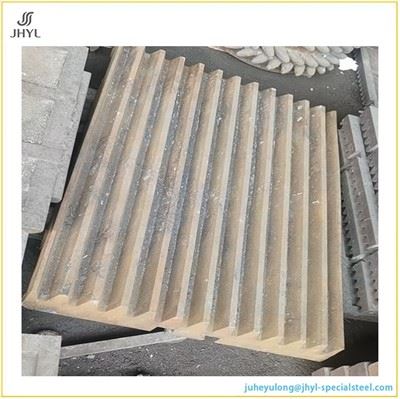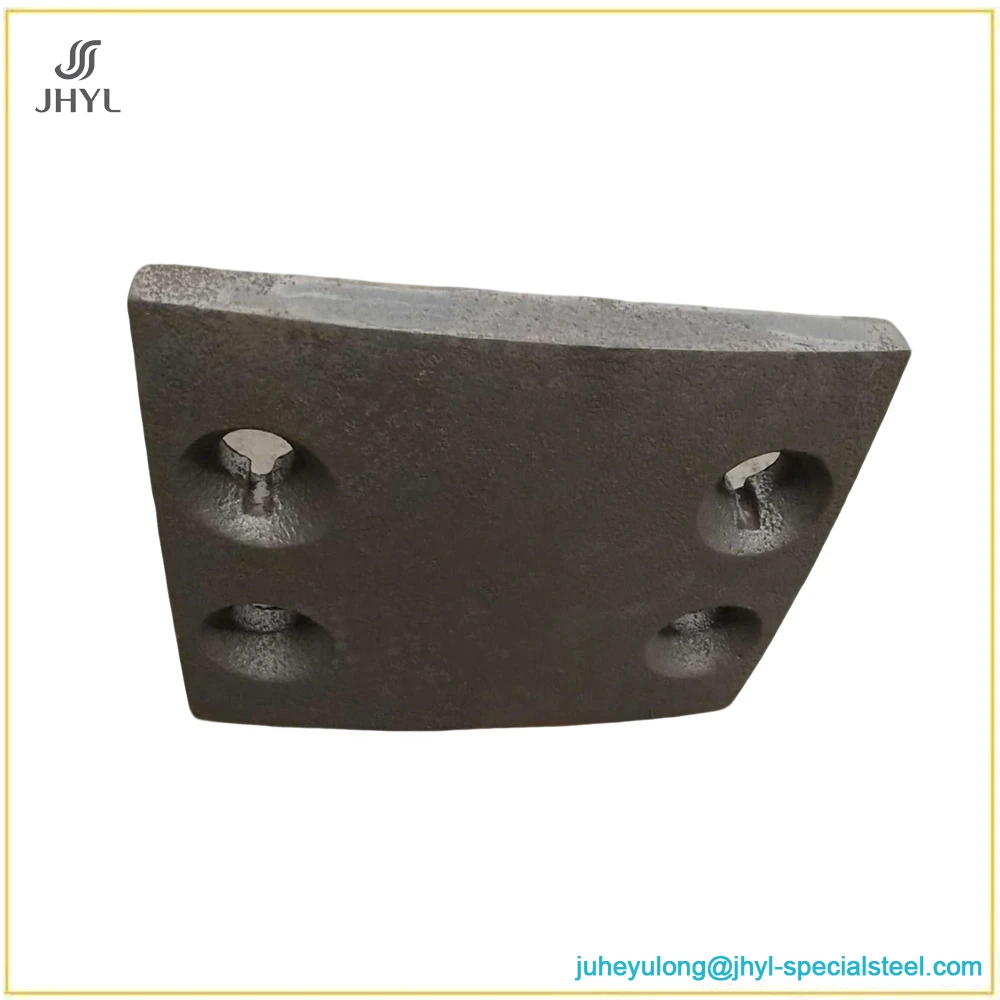
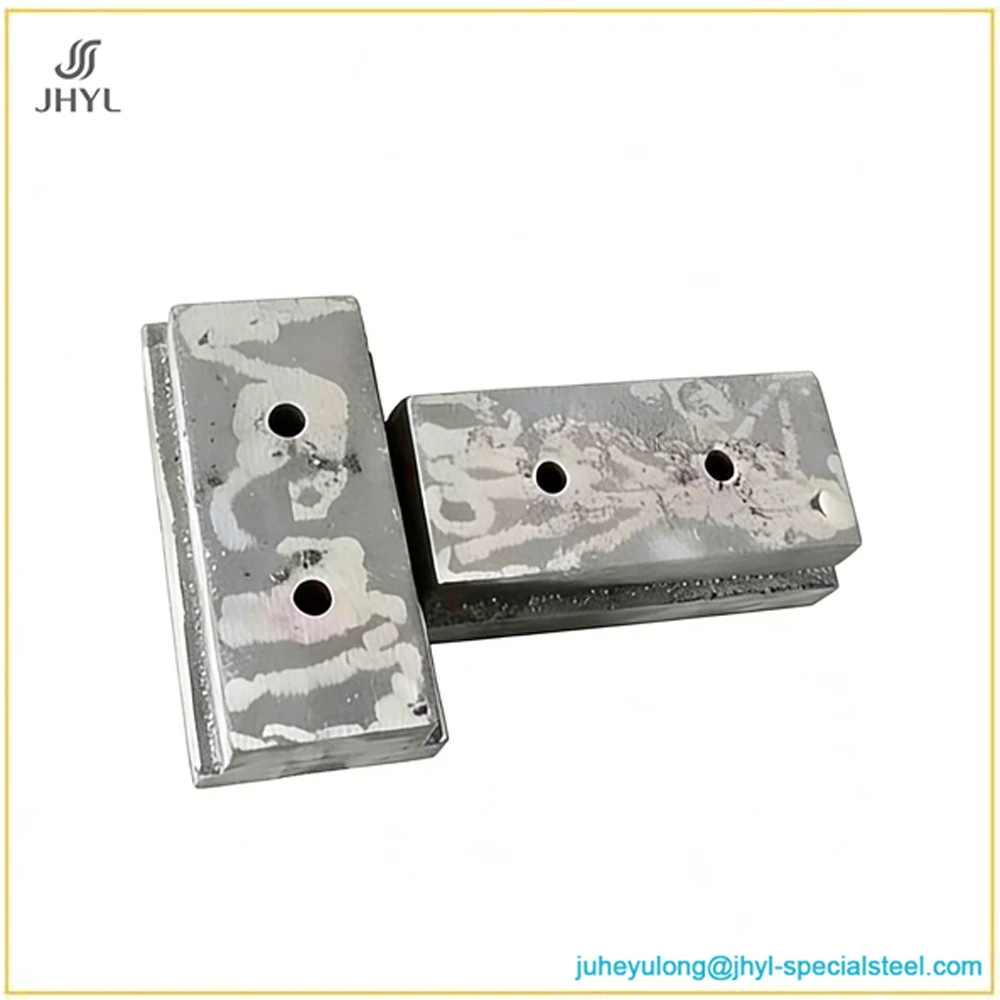
The installation quality of Ball Mill Wear Resistant Liner Board directly affects the operational stability and internal structural safety of the equipment. Even if the liner has excellent wear resistance, it may fail to perform its intended function if it is not securely installed. During prolonged operation, the ball mill continuously generates mechanical forces through rotation and the movement of grinding media and materials. A loose liner may consequently shift from its original position and gradually cause additional problems.
First, insecure installation can cause the liner to loosen or shift. During operation, the liner is subjected to repeated impacts and friction. If the fastening components do not hold it securely in place, the liner may gradually move away from its intended position, resulting in changes in local gaps or abnormal contact conditions. As operating time increases, the looseness may become more severe, reducing the effectiveness of the protective layer and making subsequent maintenance more difficult.
Second, a loose liner may cause abnormal vibration and noise. When relative movement occurs between the liner and the cylinder, additional collisions or friction may develop during operation. This can produce sounds and vibrations that differ from normal operating conditions. Although these symptoms are not necessarily caused by a loose liner alone, any sudden changes in noise or vibration, particularly after maintenance, should prompt an inspection of the liner fastening condition and a broader assessment of equipment performance.
Third, insecure installation may accelerate damage to the liner and its connecting components. Under normal conditions, the liner should fit securely against the internal structure according to the equipment design. If it is not firmly fixed, repeated small movements under load may expose the fastening components and contact surfaces to additional mechanical stress. Over time, this may cause loose fasteners, surface wear, or localized structural damage. If the problem is not addressed promptly, a condition that could initially have been resolved through routine maintenance may develop into a more complicated repair.
In addition, a loose liner may affect the grinding process. The liner's design and installation position influence the movement of the grinding media. If the liner shifts or becomes partially detached, the movement of the grinding media may change, potentially making material grinding less consistent and causing uneven wear in different areas. In severe cases, a detached liner may damage other internal components and force the equipment to shut down for inspection, disrupting production schedules.
To prevent these problems, the liner and its connecting components should be inspected before installation. The contact surfaces should be free from foreign objects, damage, or abnormal deformation that could interfere with proper fitting. During installation, the liner should be positioned and secured according to the equipment design and the manufacturer's instructions. Fasteners must be installed correctly and tightened as specified. Critical installation and inspection procedures should not be skipped simply to accelerate the work, and the fastening method should not be changed arbitrarily.
After installation, the liner's position and fastening condition should be checked according to the equipment requirements. Once the ball mill is operating, regular maintenance inspections should be conducted to identify signs of looseness, unusual noise, or localized wear. If a problem is detected, the equipment must first be shut down and the necessary energy isolation procedures completed in accordance with applicable safety requirements. Qualified personnel should then inspect and correct the problem. Fasteners or liners must never be adjusted while the equipment is running.
In conclusion, secure installation is essential for Ball Mill Wear Resistant Liner Board to provide effective protection. Proper installation, routine inspections, and timely maintenance can reduce the risks associated with loose liners and help maintain stable equipment operation.