


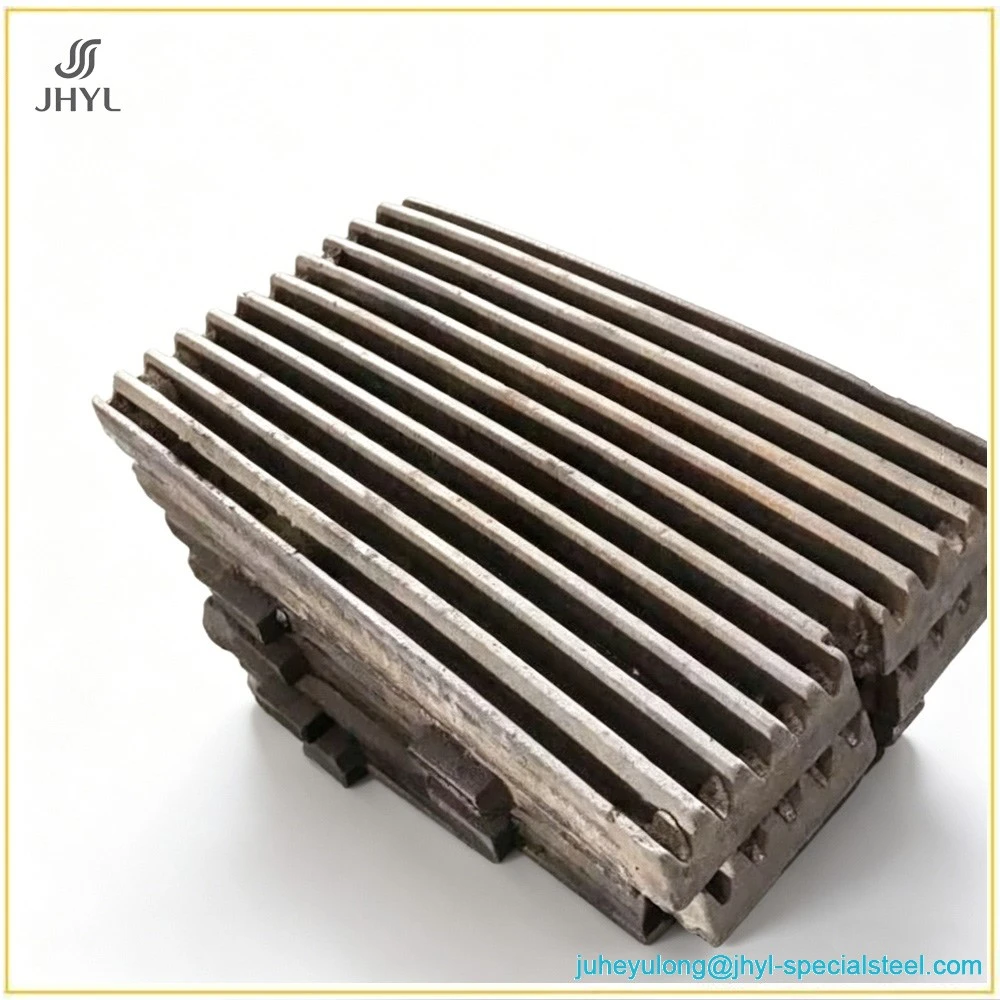
Ball Mill Wear Resistant Liner Board is continuously exposed to the effects of grinding media and materials during operation. As a result, its surface gradually wears over time. The purpose of routine maintenance is not to eliminate wear completely, but to slow unnecessary deterioration, identify abnormal conditions promptly, and prevent minor issues from developing into equipment failures. A well-established maintenance program can help extend liner service life and reduce the impact of equipment downtime and repairs on production.
First, regular inspections should be performed. An appropriate inspection schedule should be established according to the operating frequency of the ball mill, material characteristics, and on-site maintenance requirements. During inspections, particular attention should be paid to obvious thinning, localized wear, cracks, spalling, and deformation on the liner surface. The edges of the liner and its fastening points should also be checked for abnormalities. Areas exposed to heavier impacts or greater friction may require more frequent inspection. If significant differences in wear are found between different areas, the underlying causes should be investigated rather than simply treating the visibly worn sections.
Second, the fastening condition of the liner should be monitored. During prolonged operation, continuous mechanical forces may gradually loosen the connecting components. Maintenance personnel should inspect the relevant fasteners according to equipment requirements and confirm that the liner has not shifted or developed abnormal gaps. If loose fasteners or damaged connecting components are discovered, corrective action should be taken in accordance with the equipment maintenance procedures. Before inspecting or tightening any components, the ball mill must be shut down and the necessary energy isolation procedures completed to prevent accidental startup and ensure personnel safety.
Third, standardized operating practices are essential for extending liner service life. The ball mill should operate under appropriate conditions based on the characteristics of the materials and actual production requirements. Prolonged operation under unsuitable loading conditions should be avoided. Material feeding, grinding media loading, and other operating conditions can all influence the forces acting on the liner. Uneven material distribution or abnormal grinding media movement may accelerate wear in specific areas. Therefore, operating conditions should be managed carefully, and any irregularities should be investigated promptly to prevent continued deterioration.
Fourth, attention should be paid to internal cleanliness and material conditions. Depending on the application, material accumulation, the entry of foreign objects, or significant changes in material properties may affect the grinding process and the forces acting on the liner. Routine management should include monitoring material feeding, checking for unusual material agglomeration, and identifying internal buildup that may interfere with normal operation. Cleaning must be performed according to the equipment structure and maintenance procedures. Tools or methods that could damage the liner surface should not be used.
Fifth, liner maintenance and replacement should be scheduled according to actual operating conditions. Different liner materials and designs have different wear characteristics, so a uniform time-based replacement schedule may not accurately reflect the liner's actual condition. Maintenance personnel should evaluate liner wear, equipment performance, and the manufacturer's recommendations before deciding whether replacement is necessary. If the liner has worn to the point that replacement is required, or if cracks, severe spalling, or fastening failures compromise safe operation, corrective action should be taken promptly.
In summary, extending the service life of Ball Mill Wear Resistant Liner Board requires a combination of regular inspections, standardized operation, proper fastening maintenance, timely correction of abnormalities, and effective replacement management. By continuously monitoring liner conditions and taking appropriate action, operators can reduce unnecessary wear, lower the risk of equipment failure, and support the long-term, stable operation of the ball mill.


