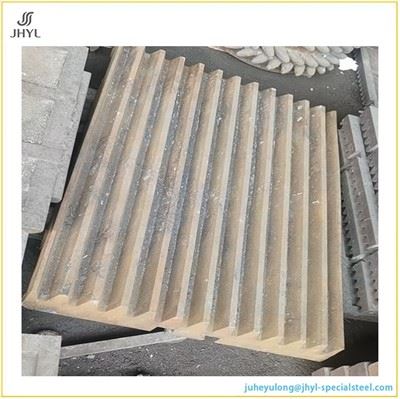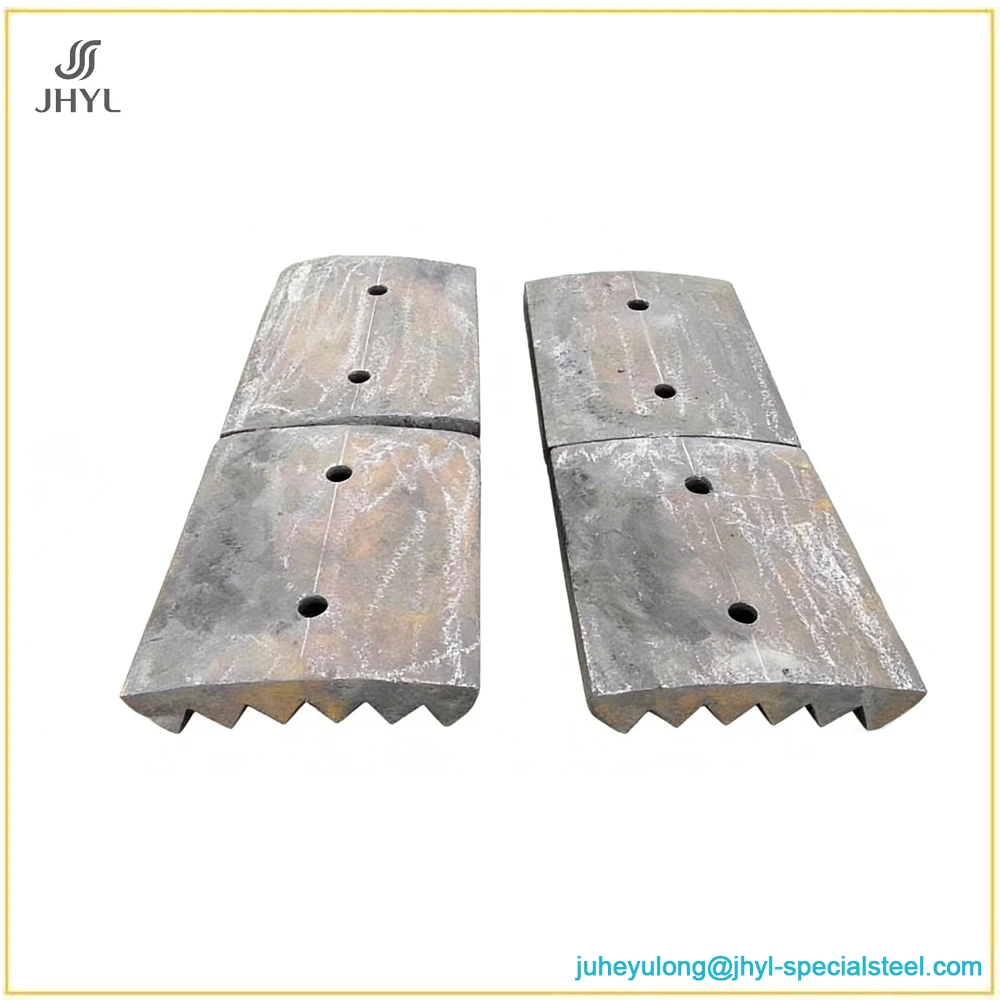
Ball Mill Wear Resistant Liner Board can experience varying degrees of wear during long-term operation. Because a ball mill relies on the movement of grinding media to crush and grind materials, the liner is continuously exposed to material abrasion, collisions with grinding media, and other mechanical forces. Even liners made from highly wear-resistant materials cannot completely eliminate deterioration caused by prolonged use. The key is to understand the causes of wear and take appropriate measures to control its rate.
First, the properties of the materials being ground directly affect liner wear. Materials with high hardness or rough particle surfaces may produce stronger abrasive effects on the liner. During grinding, some materials also generate fine particles that can enter the contact areas between the liner and the grinding media, potentially increasing friction. Therefore, when processing different materials, it is important to consider their hardness, particle shape, and grinding characteristics to select a liner material suitable for the actual operating conditions.
Second, the operating condition of the ball mill affects the service life of the liner. If the equipment operates for extended periods under unsuitable loading conditions, with uneven material distribution or abnormal grinding media movement, the liner may experience uneven impacts and friction. This can accelerate localized wear. Abnormal vibration, material accumulation, or other irregular operating conditions should also be investigated promptly to prevent continued damage to the liner.
The liner material and structural design are equally important. Different materials have different levels of wear resistance, impact resistance, and suitability for specific environments. Even if a material offers good wear resistance, it may still suffer localized damage if its impact resistance is inadequate for the actual working conditions. In addition, the liner design influences the movement of the grinding media and the locations where contact occurs, affecting the distribution of wear across the liner surface. Therefore, liner selection should consider both wear resistance and the actual impact conditions inside the equipment.
During daily operation, a regular inspection schedule should be established. Particular attention should be paid to obvious thinning, localized depressions, cracks, spalling, and abnormal wear on the liner surface. If certain areas show concentrated wear, the causes should be investigated in relation to equipment operation, material distribution, installation conditions, and grinding media movement. When abnormalities are detected, timely inspection and corrective action can prevent localized damage from becoming more extensive.
Furthermore, standardized operation and appropriate maintenance can help extend liner service life. The equipment should be operated according to reasonable operating requirements, avoiding inappropriate load changes and improper operating practices. Liner replacement should not be determined solely by a fixed service period. Instead, decisions should be based on actual wear, equipment performance, and the manufacturer's maintenance recommendations.
Overall, wear is a normal occurrence during the long-term use of Ball Mill Wear Resistant Liner Board, but its rate and severity can be controlled to some extent through effective management. Continuous monitoring, timely correction of abnormalities, and proper maintenance scheduling can help reduce unplanned downtime and maintain stable ball mill operation.