As a seasoned supplier of Universal Joint Couplings, I've encountered a wide array of issues that customers face when dealing with these crucial mechanical components. Troubleshooting universal joint couplings effectively is essential to ensure the smooth operation of various machinery and equipment. In this blog, I'll guide you through the process of troubleshooting these couplings, drawing on my years of experience in the industry.
Understanding Universal Joint Couplings
Before diving into troubleshooting, it's important to have a basic understanding of what universal joint couplings are and how they work. Universal joint couplings, also known as U-joints, are mechanical devices used to transmit rotary motion between two shafts that are not in a straight line. They consist of a cross-shaped piece with bearings at each end, allowing for angular misalignment between the shafts. These couplings are commonly used in automotive, industrial, and agricultural applications, among others.
Common Symptoms of Universal Joint Coupling Problems
The first step in troubleshooting is to identify the symptoms of a problem. Here are some common signs that your universal joint coupling may be malfunctioning:
- Vibration: Excessive vibration during operation is a clear indication of a problem. It can be caused by misalignment, worn bearings, or damaged yokes.
- Noise: Unusual noises, such as clicking, clunking, or rattling, can also signal a problem with the coupling. These noises may be due to loose or worn parts, or improper lubrication.
- Difficulty in Movement: If you notice that the machinery is difficult to move or operate, it could be a sign of a seized or binding coupling. This can be caused by dirt, debris, or lack of lubrication.
- Leakage: Leakage of lubricant from the coupling is a sign of a damaged seal or bearing. This can lead to increased wear and tear on the coupling, and ultimately, failure.
Troubleshooting Steps
Once you've identified the symptoms, it's time to start troubleshooting. Here are the steps you can take to diagnose and fix the problem:
- Visual Inspection: The first step is to visually inspect the coupling for any signs of damage, such as cracks, dents, or wear. Check the yokes, bearings, and seals for any visible problems. Look for signs of leakage, such as oil stains or wet spots.
- Check for Misalignment: Misalignment is a common cause of coupling problems. Use a dial indicator to check the alignment of the shafts. If the shafts are misaligned, adjust them to ensure proper alignment. Misalignment can cause excessive wear on the coupling and lead to premature failure.
- Lubrication Check: Proper lubrication is essential for the smooth operation of the coupling. Check the lubricant level and condition. If the lubricant is low or contaminated, replace it with the recommended lubricant. Make sure to follow the manufacturer's guidelines for lubrication intervals and type of lubricant.
- Bearing Inspection: Worn or damaged bearings can cause vibration and noise. Check the bearings for any signs of wear, such as excessive play or roughness. If the bearings are worn, replace them with new ones. Make sure to use high-quality bearings that are suitable for the application.
- Yoke Inspection: The yokes are the parts of the coupling that connect the shafts. Check the yokes for any signs of damage, such as cracks or deformation. If the yokes are damaged, replace them with new ones. Make sure to use yokes that are compatible with the coupling and the shafts.
- Seal Inspection: The seals are responsible for keeping the lubricant inside the coupling and preventing dirt and debris from entering. Check the seals for any signs of damage, such as cracks or leaks. If the seals are damaged, replace them with new ones. Make sure to use seals that are suitable for the application and the lubricant.
Specific Types of Universal Joint Couplings and Troubleshooting
There are different types of universal joint couplings, and each may have its own specific troubleshooting requirements. Here are some examples:
Stainless Steel Custom Cross Universal Joint
Stainless steel custom cross universal joints are designed for specific applications and may require special attention. When troubleshooting these couplings, pay close attention to the custom features and ensure that they are functioning properly. Check for any signs of corrosion on the stainless steel parts, as this can affect the performance and longevity of the coupling.
Mechanical Device Drive Shaft Coupling
Mechanical device drive shaft couplings are often used in high - torque applications. Verify that the coupling can handle the torque requirements of the application. Check for any signs of loosening or slipping, especially if the machinery experiences sudden changes in load. Make sure the fasteners are tightened to the correct specifications.
Machined Stainless Steel Mining Car Connector
In mining applications, the environment can be harsh and dirty. Check the coupling for any dirt or debris that may have accumulated. Cleaning the coupling regularly is crucial to prevent premature wear. Also, look for any signs of damage due to heavy impacts that are common in mining operations.

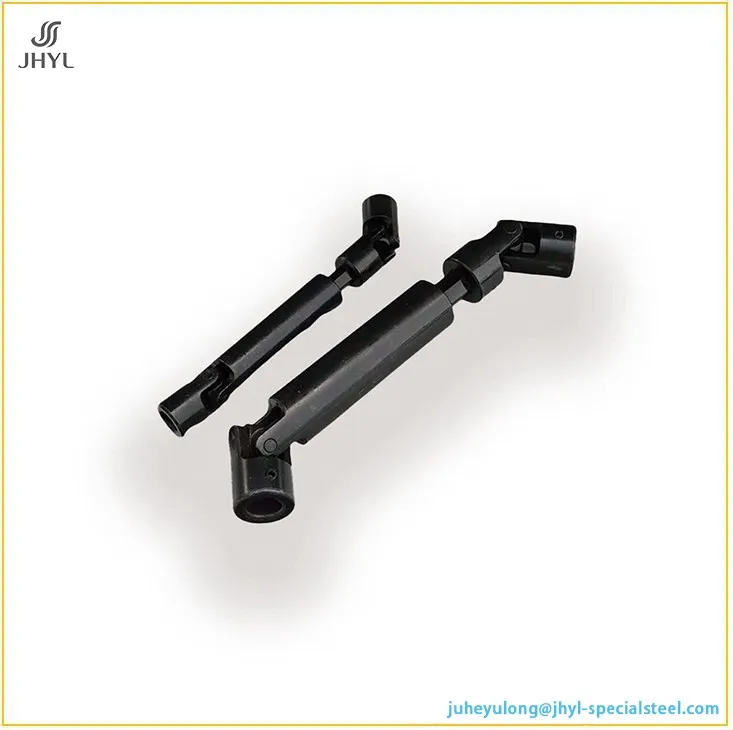
316 Stainless Steel Universal Joint Coupling
The 316 stainless steel is known for its corrosion resistance. However, in certain chemical - rich environments, it may still be susceptible to corrosion. Inspect the coupling for any signs of pitting or discoloration. If corrosion is detected, take appropriate measures to clean and protect the coupling.
Stainless Steel Universal Coupling
These couplings are widely used in various industries. Check the overall integrity of the stainless steel components. Look for any signs of stress fractures or fatigue, especially in areas where the coupling experiences high stress.
Preventive Maintenance
Preventive maintenance is key to avoiding universal joint coupling problems. Here are some preventive maintenance tips:
- Regular Inspections: Conduct regular visual inspections of the coupling to detect any early signs of wear or damage.
- Lubrication Schedule: Follow a strict lubrication schedule to ensure that the coupling is properly lubricated at all times.
- Cleanliness: Keep the coupling clean and free from dirt, debris, and contaminants.
- Proper Installation: Make sure the coupling is installed correctly, following the manufacturer's instructions.
Conclusion
Troubleshooting universal joint couplings requires a systematic approach and a good understanding of how these components work. By following the steps outlined in this blog and performing regular preventive maintenance, you can ensure the reliable operation of your machinery and equipment. If you're still facing problems or need further assistance, don't hesitate to reach out. As a professional Universal Joint Coupling supplier, I'm here to help you with all your coupling needs. Whether you're looking for a replacement part or need advice on the best coupling for your application, feel free to contact me for procurement and in - depth discussions.
References
- "Mechanical Design Handbook", Various authors
- Manufacturer's manuals for Universal Joint Couplings