Many purchasers and users are most concerned about whether the Heat-Resistant Steel Tray will bend, warp or dent during long-term operation in high-temperature furnaces. Based on practical application and industrial experience, the properly used Heat-Resistant Steel Tray delivers excellent structural stability under standard high-temperature conditions and barely deforms. It fully meets the requirements for continuous and high-frequency production in factories.
The outstanding anti-deformation performance of the Heat-Resistant Steel Tray in high-temperature environments is mainly attributed to its professional material selection. Unlike ordinary carbon steel and regular stainless steel, dedicated heat-resistant steel possesses superior high-temperature creep resistance, which is the core guarantee against deformation. Ordinary metals tend to undergo gradual plastic deformation under sustained high temperatures, leading to uneven surfaces and warped edges. In contrast, heat-resistant steel is manufactured with special processes to maintain a stable metallic structure at high temperatures. It will not soften or suffer structural degradation under prolonged heat exposure, fundamentally preventing spontaneous deformation.
In addition, the optimized overall structure further strengthens its anti-deformation capability. Featuring a well-proportioned design, the tray ensures even force distribution and high rigidity, making it ideal for various high-temperature scenarios such as industrial heat treatment, sintering, drying and kiln processing. In daily operation, the tray is repeatedly moved into and out of furnaces, undergoing cyclic heating and cooling that generate thermal stress. This tray can effectively resist such stress and avoid distortion caused by thermal expansion and contraction, remaining flat even after numerous service cycles.
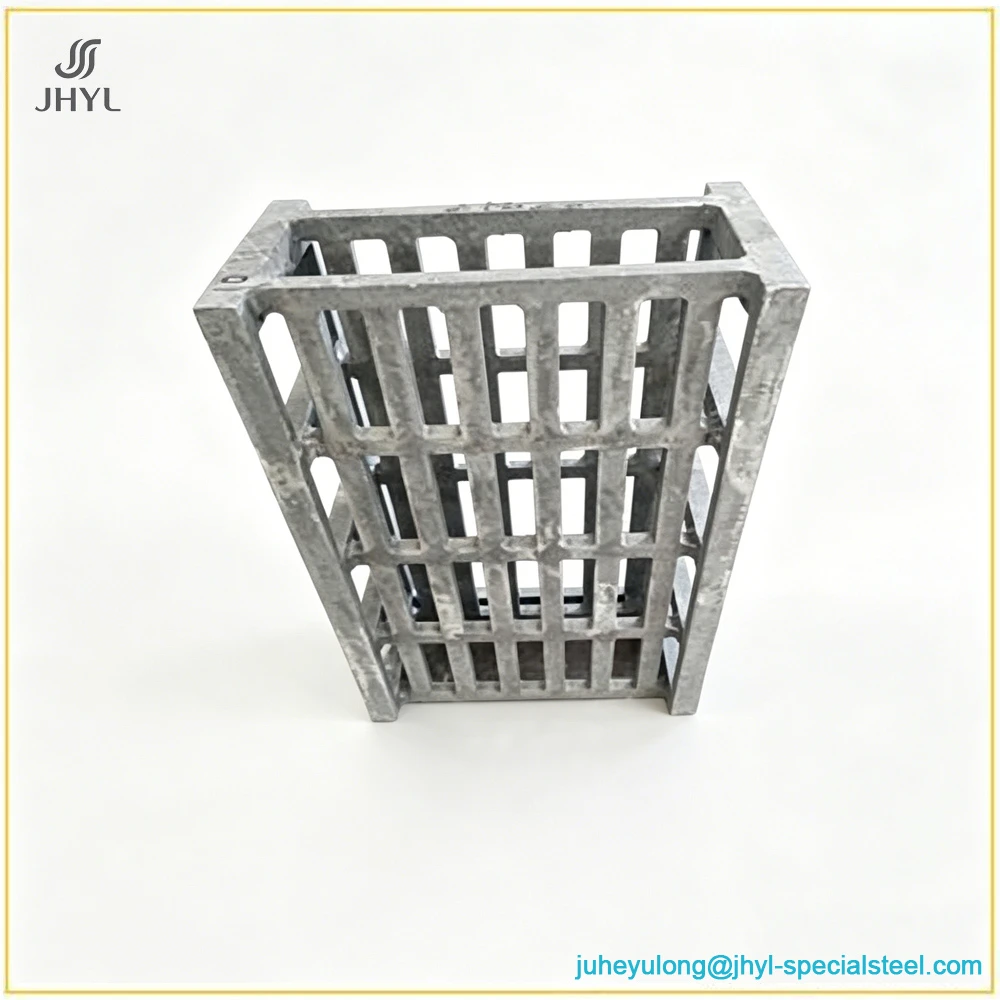
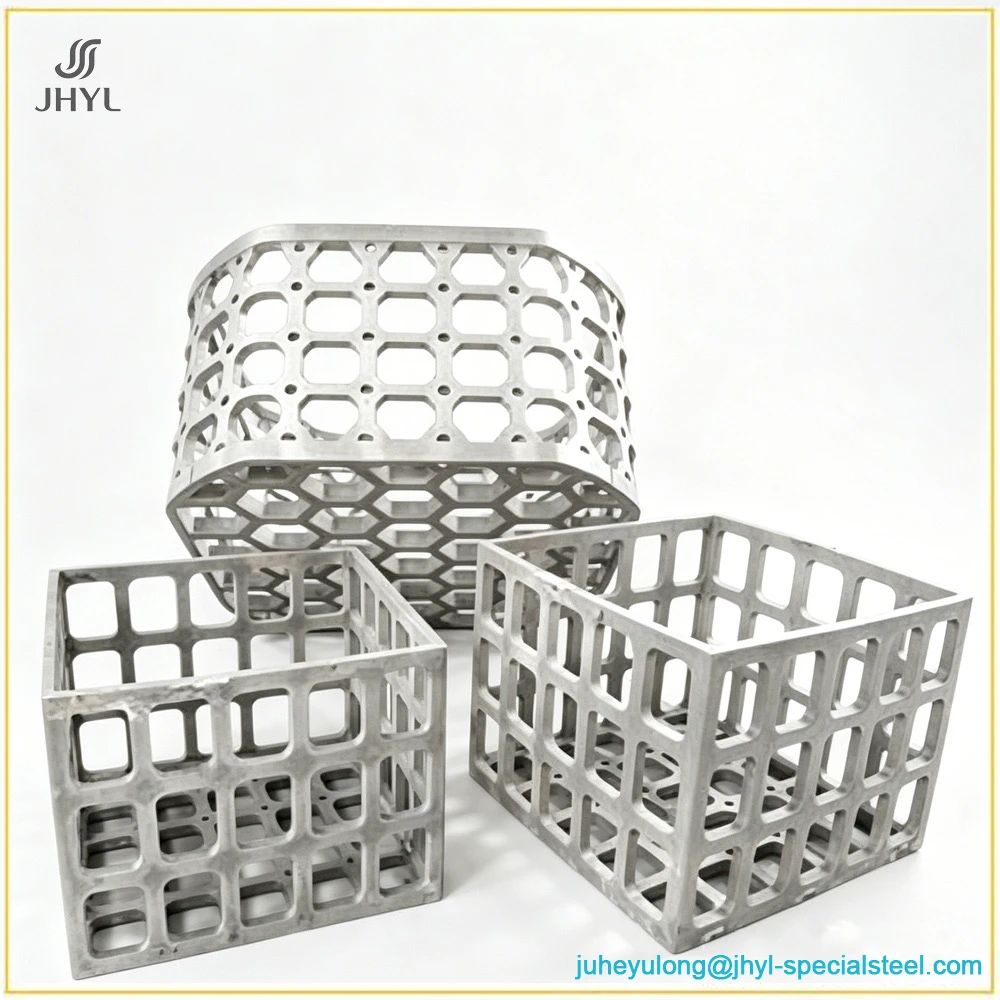
When used in accordance with standard operating procedures and loaded with workpieces and materials evenly, the tray bears stress uniformly without localized overloading. Whether used singly or stacked in multiple layers, it will not deform under pressure provided that no excessive loads or unbalanced placement occur. Conventional external forces generated during manual handling or mechanical transportation will not change its shape either, so it is fully adaptable to routine workshop operations.
Objectively speaking, the Heat-Resistant Steel Tray is not completely resistant to deformation. However, any deformation is exclusively caused by improper use. Long-term exposure to extreme temperatures, overloading with heavy materials, violent collision, heavy impact or forced bending while the tray is hot, as well as sudden contact with cold water or cold objects immediately after being removed from furnaces, will result in minor deformation due to drastic temperature fluctuations and physical damage. Such problems arise from improper operation and over-limit working conditions, rather than inherent product quality defects.
In conclusion, when used in compliance with standard operating rules under most conventional industrial high-temperature environments, the Heat-Resistant Steel Tray can operate stably for a long time. It always keeps flat and intact without bending or warping, guarantees the flatness of processed workpieces and stable production operations, and acts as a durable and reliable carrier for all high-temperature working scenarios.