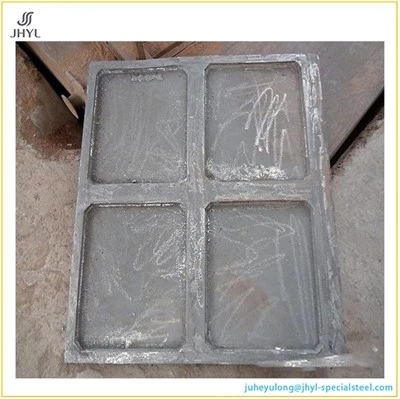
A Crusher Wear-Resistant Liner is an important wear-resistant component installed inside crushing equipment. Its primary purpose is to protect the internal structure of the crusher and reduce damage caused by impact, friction, and abrasion during material processing. In industries such as mining, quarrying, and aggregate production, crushers operate for extended periods while processing various types of ores, rocks, and other hard materials. During crushing, these materials continuously come into contact with internal equipment surfaces, making protective liners essential for reducing wear.
First, the primary function of a Crusher Wear-Resistant Liner is to protect the internal structure of the crushing equipment. During operation, materials move continuously inside the crushing chamber and come into contact with its internal surfaces. Without appropriate protection, these materials may directly impact the crusher housing and other critical components, resulting in surface wear, localized damage, or even structural deterioration. After a wear-resistant liner is installed, materials primarily come into contact with the liner, reducing direct wear on the main equipment structure.
Second, the liner withstands impact and friction generated during the crushing process. When processing materials such as ores, granite, and limestone, the materials may have high hardness and irregular shapes. Inside the crushing chamber, they are subjected to compression, collision, and repeated friction. These forces can gradually wear down ordinary metal surfaces. A Crusher Wear-Resistant Liner is manufactured using materials and structural designs suitable for wear-intensive applications, helping improve resistance to material abrasion and supporting continuous crushing operations.
Third, the liner helps maintain the internal structure of the crushing chamber. The shape and working space of the crushing chamber influence how materials move and interact during the crushing process. If the liner becomes severely worn, its original working surface may change, potentially affecting material movement and force distribution. Regular inspection and timely replacement help maintain the intended internal structure of the crushing chamber and reduce operational problems caused by excessive wear.
Fourth, the liner helps reduce maintenance requirements for the main equipment structure. Crushers are industrial machines that continuously experience mechanical impact and friction. If critical internal components become severely damaged, repairs may be complicated and time-consuming. As a replaceable protective component, the liner can be inspected and replaced when it reaches an unacceptable level of wear. This helps prevent continuous material abrasion from directly damaging the main equipment structure and can reduce the complexity of certain maintenance tasks.
Fifth, the liner helps support stable crusher operation. When the liner remains in good working condition, it provides a relatively consistent contact surface inside the crushing chamber. This helps reduce abnormal contact conditions caused by localized excessive wear. For production facilities that require continuous material processing, maintaining the condition of wear-resistant components helps reduce unplanned downtime caused by internal component damage.
Overall, the main purpose of a Crusher Wear-Resistant Liner is to protect internal equipment structures, resist material impact and friction, reduce wear on critical components, and help maintain normal crusher operation. It is an essential protective component for supporting the long-term operation of crushing equipment.