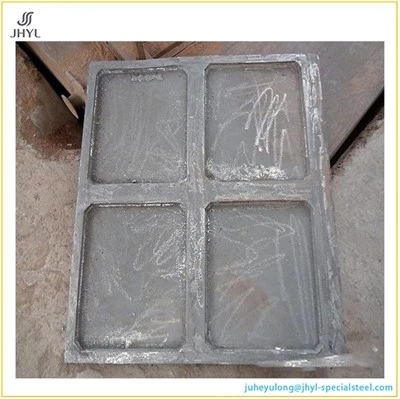
A Crusher Wear-Resistant Liner is a wear component that continuously experiences material impact and friction. Its service life is not determined by a single factor but is influenced by material characteristics, equipment operating conditions, material properties, installation conditions, and routine maintenance. Since different production environments have different wear conditions, even the same type of liner may have different service lives under different operating conditions.
First, material hardness is an important factor affecting liner service life. Crushers process various materials, including limestone, granite, iron ore, and other minerals and rocks. These materials have different hardness levels and abrasive properties. In general, harder and more abrasive materials create greater friction and wear on the liner surface, causing the material to wear away more quickly. Therefore, material characteristics should be carefully considered when selecting a wear-resistant liner.
Second, particle shape and size also influence wear conditions. Materials with irregular shapes and sharp edges may produce stronger localized friction and scraping when they come into contact with the liner. Larger pieces of material entering the crushing chamber may also generate stronger impacts. Different particle sizes move differently inside the crushing chamber, so different areas of the liner may experience different levels of wear.
Third, material impact intensity affects the rate of liner deterioration. During crushing, materials are subjected to compression, collision, and repeated impact. If the crusher frequently processes large pieces of material or if materials enter the chamber from a considerable height, the liner may experience significant impact loads. Long-term exposure to heavy impact conditions can accelerate surface wear and increase the risk of localized deformation and cracking.
Fourth, the properties of the liner material directly affect its service life. Different materials have different levels of hardness, toughness, and wear resistance. For example, some materials are better suited to resisting sliding abrasion, while others need to provide a balance between wear resistance and impact resistance. The material used for a Crusher Wear-Resistant Liner should be selected according to the actual material characteristics and operating environment. If the material properties do not match the working conditions, even a material with excellent performance in one area may not deliver satisfactory results.
Fifth, the operating condition of the crusher also influences liner service life. When the equipment operates smoothly and materials are distributed relatively evenly, the liner generally experiences more predictable wear. However, abnormal vibration, worn moving components, changes in operating clearances, or other mechanical problems may create uneven stress on the liner and accelerate localized wear. Maintaining the crusher in normal operating condition is therefore essential.
Sixth, liner installation conditions should not be overlooked. If the liner is installed incorrectly, is not securely fastened, or has noticeable gaps between contact surfaces, abnormal vibration and impact may occur during operation. This can result in uneven loading, causing certain areas to wear faster than others. Proper installation and regular checks of fastening conditions help reduce these problems.
Overall, the service life of a Crusher Wear-Resistant Liner is affected by material hardness, particle shape, impact intensity, material properties, equipment operating conditions, installation quality, and maintenance practices. Selecting a suitable liner according to actual working conditions and maintaining normal equipment operation help maximize its protective performance and service life.