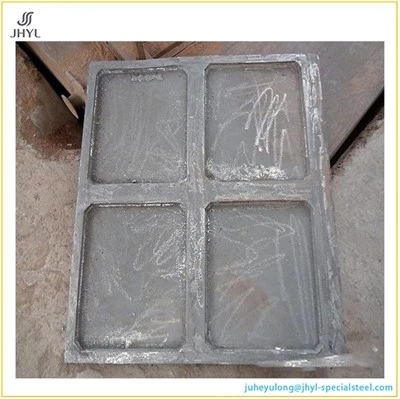
During long-term operation, a Crusher Wear-Resistant Liner is exposed to material impact, compression, friction, and mechanical loads generated by the equipment. Under normal working conditions, some wear is expected. However, abnormal impact or excessive localized stress may cause cracks to develop. Cracks can affect the structural integrity of the liner and may continue to expand, potentially affecting the normal operation of the crushing equipment. Understanding the possible causes helps operators identify problems and take appropriate action.
First, excessive material impact is one of the common causes of liner cracking. During crushing, large pieces of material entering the crushing chamber may generate strong impacts against the liner surface. If the materials are particularly hard, have irregular shapes, or enter the chamber under high-impact conditions, certain areas of the liner may experience considerable instantaneous stress. When the impact exceeds the material's ability to withstand the load, cracks may develop.
Second, repeated mechanical loading over an extended period may cause fatigue damage. During continuous crusher operation, the liner is repeatedly subjected to compression, collisions, and vibration generated by the equipment. Although a single load may not cause immediate visible damage, repeated loading can gradually produce fatigue within the material. As fatigue damage accumulates, small cracks may form internally or on the surface. These cracks may gradually expand during subsequent operation and eventually become visible.
Third, internal material defects may reduce the liner's resistance to cracking. If the material contains inclusions, pores, uneven microstructures, or other internal defects introduced during manufacturing, these areas may become points of stress concentration. Under continuous impact and friction, the defects may gradually develop into cracks. Therefore, material quality and manufacturing processes have an important influence on the service performance of the liner.
Fourth, improper installation may result in uneven stress distribution. If the liner is not installed in the correct position, is not securely fastened, or has noticeable gaps between contact surfaces, abnormal vibration and uneven loading may occur during operation. Certain areas may then bear loads greater than those encountered under normal conditions, increasing the possibility of cracking. Loose fastening components may also allow the liner to move or collide with surrounding structures during operation.
Fifth, abnormal equipment operation may contribute to liner cracking. For example, foreign objects inside the crusher, severely worn components, abnormal moving parts, or excessive equipment vibration can change the stress conditions acting on the liner. If the equipment continues operating under abnormal conditions, the liner may experience unusual impact and vibration, potentially resulting in cracks or other structural damage.
Sixth, temperature changes may affect certain types of liners. In some crushing and processing environments, equipment may be exposed to changes in ambient temperature, friction-generated heat, or other thermal influences. If the liner experiences significant temperature changes within a short period, thermal stress may develop inside the material. When thermal stress combines with mechanical loading, the risk of localized cracking may increase. However, this possibility should be evaluated according to the specific material and operating environment.
Overall, cracks in a Crusher Wear-Resistant Liner may be associated with material impact, fatigue loading, material defects, installation conditions, abnormal equipment operation, and temperature changes. Proper feed control, correct installation, regular inspection, and timely handling of abnormal conditions can help reduce the risk of crack formation and propagation.