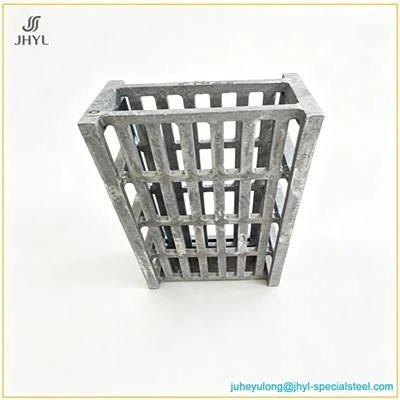
An Iron Cast Mechanical Wheel is a common type of wheel used on industrial mobile equipment and can be found in factory workshops, manufacturing areas, warehouses, and material-handling environments. Industry sources indicate that cast iron wheels are durable, suitable for heavy loads, and commonly used in manufacturing and warehousing applications.
Factory workshops often involve relatively heavy equipment, frequent movement, hard floors, and demanding working conditions. Compared with wheels made from softer materials, an Iron Cast Mechanical Wheel has relatively high rigidity and can provide stable rolling performance on hard surfaces. Therefore, it can be used on mobile production equipment, material-handling carts, work platforms, tooling equipment, and warehouse equipment.
Iron Cast Mechanical Wheel is particularly suitable for hard floors. Concrete floors, industrial flooring, and other relatively hard surfaces are generally appropriate for this type of wheel. If the workshop floor has significant unevenness, debris, or irregular surfaces, particular attention should be paid to the wheel's operating condition. Although cast iron has good durability, its shock-absorbing capability is generally lower than that of rubber and other resilient wheel materials. Therefore, actual operating conditions should be considered when the floor is uneven or the equipment is exposed to frequent impact.
Equipment in factory workshops often needs to support substantial loads. An Iron Cast Mechanical Wheel can support relatively heavy equipment and is therefore commonly considered for heavy-duty production and material-handling applications. In particular, when the equipment moves at relatively low speeds on hard floors under relatively stable loads, cast iron wheels can provide good wear resistance and load-bearing performance.
Some industrial workshops may also contain oil, water, metal particles, dust, and other contaminants. Iron Cast Mechanical Wheel has good durability and can be used in many industrial environments. However, if the workshop contains corrosive substances, persistent moisture, or other particularly demanding conditions, the suitability of the wheel should still be assessed according to the actual environment. Regular cleaning and inspection are also important.
It should be noted that an Iron Cast Mechanical Wheel is not necessarily suitable for every factory workshop. Cast iron wheels are strong and wear-resistant, but their ability to protect floors is relatively limited. Industry sources point out that cast iron wheels can exert relatively high floor pressure and therefore require caution when used on sensitive floor surfaces. If floor protection, low noise, or vibration reduction is a major concern, other wheel materials may need to be considered.
During actual use, attention should also be paid to installation and operating conditions. The axle should remain properly aligned, the bearings should rotate smoothly, and the wheel should be checked for uneven wear. Abnormal noise or unstable movement should also be investigated promptly. Regular inspection can help identify potential problems before they become more serious.
Overall, an Iron Cast Mechanical Wheel is well suited to many factory workshop applications involving heavy loads, relatively low speeds, hard floors, and industrial material handling. It is commonly used in manufacturing, warehousing, and equipment-movement applications. Whether it is suitable for a particular workshop should be determined by considering the floor condition, equipment load, operating frequency, movement method, and requirements for floor protection.