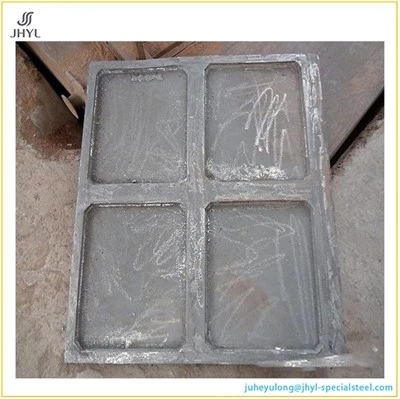
1. Mold Design: Wooden or metal molds are made according to the structural shape and size requirements of the wind cap. The mold design must consider shrinkage rate, machining allowance, and draft angle to ensure accurate casting dimensions and a smooth surface.
2. Melting: Melting is carried out using an electric arc furnace or medium-frequency induction furnace, with strict control of the chemical composition. During melting, the content of elements such as carbon, chromium, and silicon must be adjusted, and harmful impurities such as sulfur and phosphorus should be reduced. The molten steel temperature should be controlled between 1550°C and 1600°C to ensure fluidity.
3. Pouring: The pouring temperature is usually maintained between 1450°C and 1500°C. The pouring speed must be stable to avoid gas entrapment or slag inclusion. The gating system should be designed reasonably to ensure complete filling of the mold and reduce shrinkage defects.