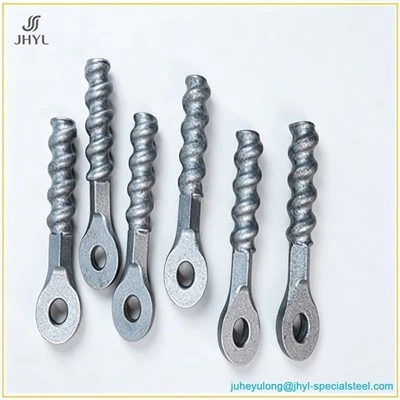
Alloy Steel Forged Rings are ring-shaped metal components commonly used in mechanical equipment. Their specific functions vary depending on the equipment structure, installation position, and operating method. In practical mechanical systems, they may serve functions such as connection, support, alignment, transmission, or positioning, making them important components in many types of machinery.
First, Alloy Steel Forged Rings can be used to connect and align mechanical components. In some equipment structures, different components need to be assembled through ring-shaped parts so that they can maintain a stable relationship with one another. The stable overall structure of Alloy Steel Forged Rings helps maintain proper assembly and reduces the possibility of abnormal conditions caused by unstable component alignment during equipment operation.
Second, Alloy Steel Forged Rings can withstand certain mechanical loads generated during equipment operation. Mechanical components may be subjected to pressure, tensile forces, friction, and cyclic mechanical forces during operation. If a ring-shaped component lacks sufficient structural stability, prolonged loading may cause deformation, wear, or loosening. Alloy Steel Forged Rings are manufactured through a forging process that contributes to their structural stability, allowing them to withstand continuous mechanical forces under appropriate working conditions.
In some mechanical structures involving relative movement, Alloy Steel Forged Rings may also participate in transmission or mechanical alignment. During equipment operation, related components may rotate, move, or perform repetitive movements. The ring-shaped component needs to maintain proper contact and alignment with other mechanical parts. Stable component alignment can help the mechanical system operate more smoothly and reduce abnormal wear caused by changes in component positioning.
In addition, Alloy Steel Forged Rings can provide support and assist with component positioning. In certain mechanical equipment, a ring-shaped structure can help maintain the correct position of other components and reduce excessive displacement during operation. This is particularly important for industrial equipment that needs to operate continuously, as stable mechanical alignment contributes to reliable equipment performance.
The function of Alloy Steel Forged Rings is also closely related to the operating environment of the equipment. For example, engineering machinery, mining machinery, metallurgical equipment, and industrial production equipment may operate under continuous loads, vibration, and friction. In such applications, ring-shaped components need to maintain structural stability while also providing suitable wear resistance and durability for long-term operation.
It should be noted that Alloy Steel Forged Rings do not operate independently. Their actual performance is also affected by installation, mating components, lubrication, and the overall operating condition of the equipment. Improper installation or severe wear of mating components may affect the normal operation of the rings.
Therefore, Alloy Steel Forged Rings should be installed correctly according to the specific mechanical structure of the equipment, and their operating condition should be inspected regularly. Proper installation, lubrication, and maintenance can help Alloy Steel Forged Rings perform their functions in connection, support, alignment, and transmission while contributing to stable equipment operation.