


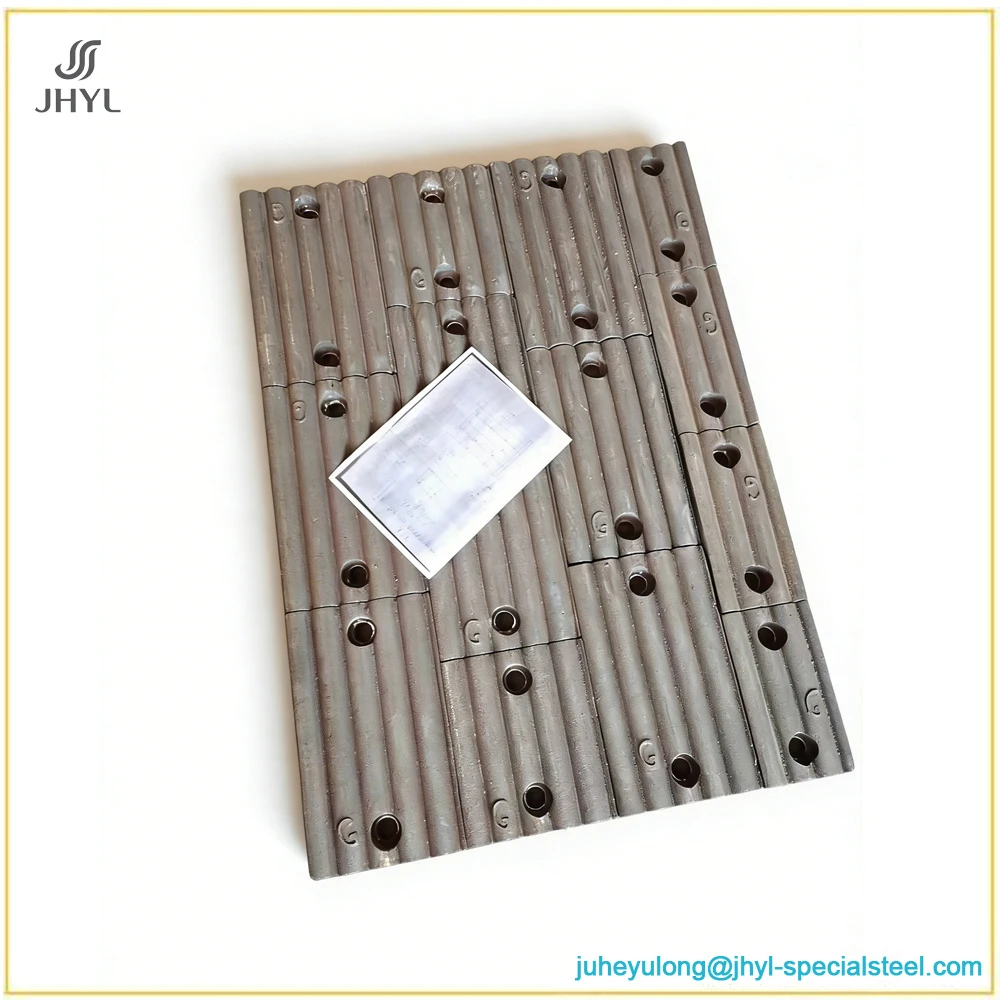
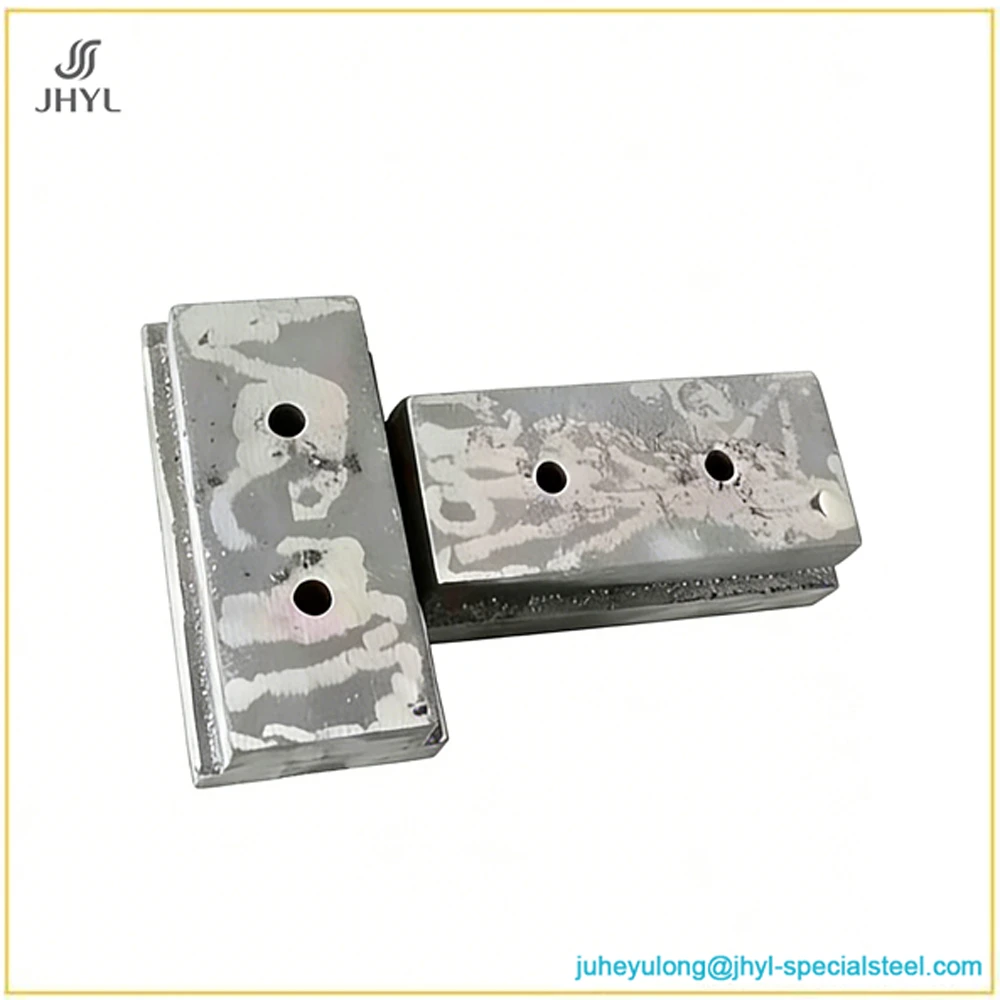
Ball Mill Wear Resistant Liner Board is widely used in mining, building materials, metallurgy, power generation, and other industries. Its primary function is to protect the ball mill shell and reduce wear caused by materials and grinding media. Since different industries process different types of materials, the suitability of the liner should be evaluated according to material properties and actual operating conditions.
In the mining and mineral processing industry, ball mills are commonly used to grind iron ore, copper ore, gold ore, and other minerals. These materials often have considerable hardness and abrasiveness, causing continuous friction and impact on the liner during grinding. Using a suitable wear-resistant liner helps protect the mill shell and reduce the risk of internal equipment wear. It also supports stable equipment operation during continuous mineral processing.
In the cement and building materials industries, ball mills are used to grind cement clinker, limestone, and other related raw materials. As materials and grinding media move continuously inside the mill, they repeatedly contact the liner. Therefore, its wear resistance and impact resistance are important considerations. The liner's design can also affect the movement of grinding media and, consequently, the grinding process.
Ball Mill Wear Resistant Liner Board can also be used for grinding coal, slag, and certain non-metallic minerals. These materials may differ in particle shape, hardness, and moisture content, resulting in different wear patterns. When selecting a liner, users should consider the material characteristics and the actual operating conditions of the equipment. For materials with high abrasiveness, particular attention should be paid to the liner's wear resistance and its ability to withstand repeated impacts.
In addition, some ball mills are used to process ceramic raw materials and other industrial materials suitable for ball milling. In these applications, the chemical properties of the materials and the conditions inside the mill may also affect liner performance. If the materials are corrosive or the grinding process involves unusual temperature or moisture conditions, these factors should be evaluated before selecting a suitable liner.
Overall, selecting Ball Mill Wear Resistant Liner Board requires more than simply identifying the material being processed. Material hardness, abrasiveness, particle characteristics, grinding methods, and equipment operating loads should all be considered. Matching the liner to the actual working conditions helps protect the mill shell, reduce equipment wear, and maintain stable production.


