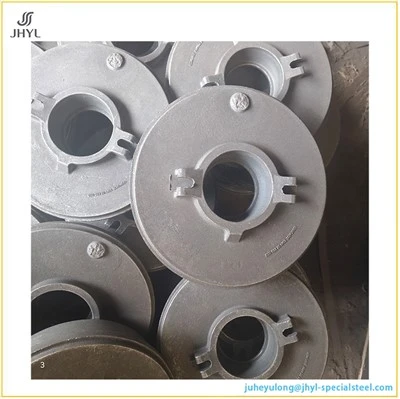
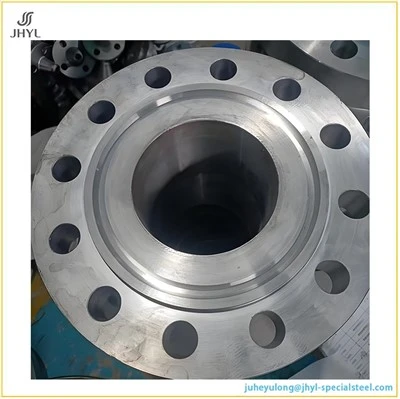
The core competitive edge of Alloy Steel Mechanical Components originates from the comprehensive performance gains brought by alloy element modification. Compared with traditional carbon steel, cast iron and other common mechanical materials, it delivers all-round improvements in durability, operational stability, environmental adaptability and safety, making it the primary choice for core industrial equipment parts.
To start with, it possesses exceptional mechanical properties. By precisely blending alloy elements such as chromium, molybdenum, manganese and silicon, alloy steel eliminates the key flaws of ordinary carbon steel: insufficient hardness, poor toughness and susceptibility to cracking. The material balances high tensile strength and robust toughness simultaneously. It withstands static heavy loads and resists structural damage caused by repeated startup shocks and vibration. Long-term operation will not trigger bending, permanent deformation or cracking, perfectly suiting mechanical power transmission and load-bearing applications and solving the common issue of easy failure for carbon steel under heavy loads.
Secondly, Alloy Steel Mechanical Components deliver exceptional wear and fatigue resistance. Most industrial mechanical parts operate under persistent friction, reciprocating motion and cyclic stress. Ordinary carbon steel quickly develops surface abrasion and metal fatigue, resulting in reduced equipment precision and premature part failure. Modified alloy steel features uniform surface hardness and drastically improved wear resistance, generating minimal abrasion loss during extended continuous friction. Its stable internal metallic structure provides powerful fatigue resistance, allowing it to withstand recurring stress for years without rapid internal structural damage, drastically lowering part failure risks and ensuring stable long-term equipment operation.
Thirdly, it maintains reliable performance across diverse environments. Ordinary carbon steel suffers severe performance degradation under extreme high or low temperatures, temperature fluctuations and mild corrosive conditions: it softens and deforms easily at high heat, turns brittle and fractures in cold environments, and oxidizes rapidly in humid air. In contrast, Alloy Steel Mechanical Components feature greatly upgraded resistance to high temperatures, low temperatures, oxidation and mild chemical corrosion. They resist thermal deformation under high-heat working conditions and retain reliable toughness without brittle fractures at low temperatures. Their superior surface oxidation resistance withstands erosion from humid air, dust and mild acid-base substances, adapting to highly variable industrial working environments.
Lastly, it sustains stable operational precision. Alloy steel has a low thermal expansion coefficient. During high-speed operation and sustained heat buildup, components experience negligible thermal deformation, maintaining precise fitting clearances to preserve consistent equipment accuracy and reduce mechanical jamming, abnormal noise and transmission offset. Although alloy steel materials carry slightly higher upfront costs than ordinary carbon steel, their superior durability, lower failure frequency and wider application compatibility cut overall equipment maintenance and replacement expenses. They deliver far stronger total cost performance than conventional materials and stand as the preferred raw material for high-end industrial mechanical components.