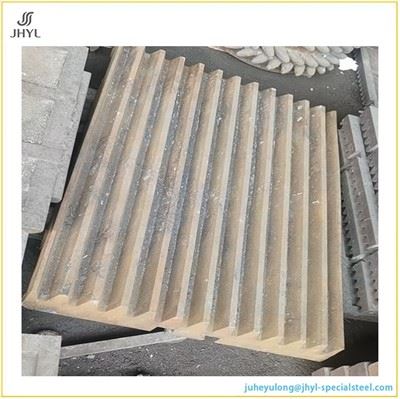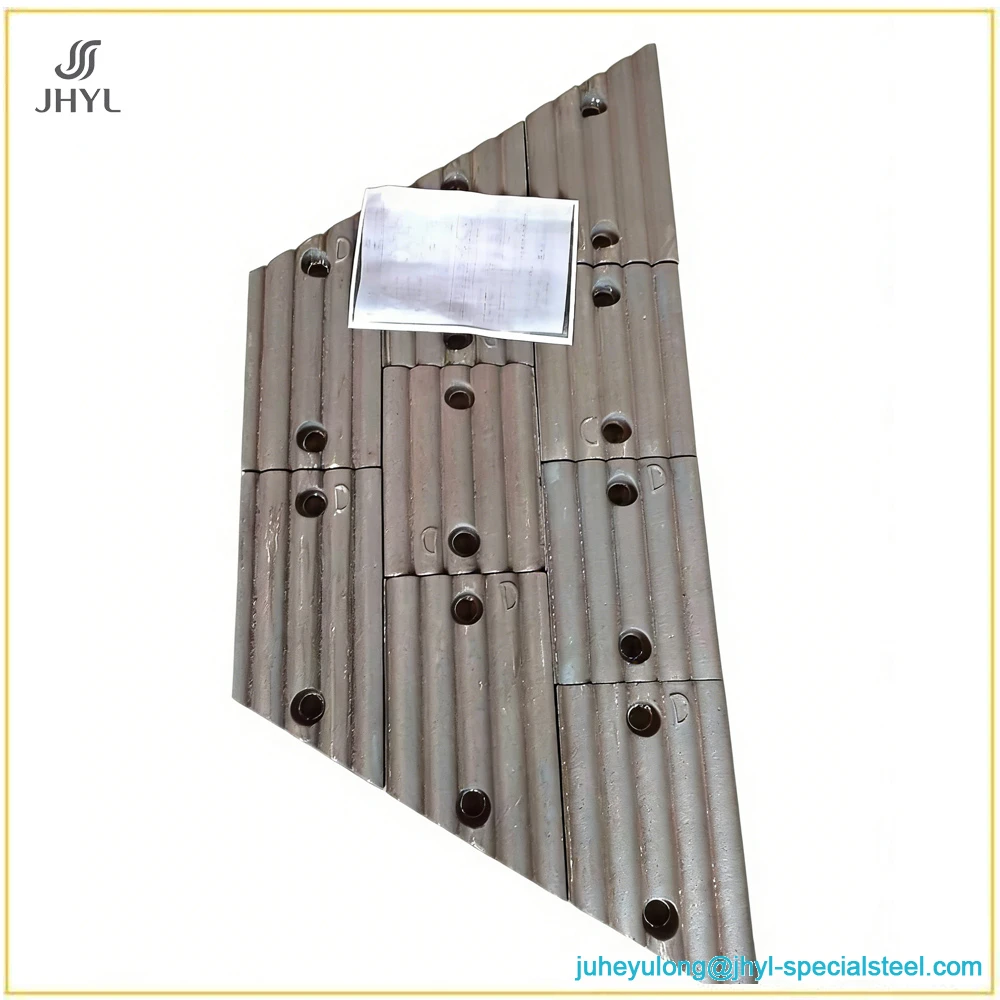
A thorough inspection of Ball Mill Wear Resistant Liner Board before use helps identify installation problems and component damage, reducing the risk of abnormal wear or liner loosening during operation. Inspections should focus on the liner's appearance, installation position, fastening points, and the internal condition of the mill shell.
First, inspect the liner surface for cracks, chips, damage, or obvious deformation. The liner may be damaged by impacts during handling, storage, or installation. If such damage goes unnoticed, continued impacts during operation may cause the problem to worsen. Therefore, carefully examine the edges and other areas that are more susceptible to impact. Any suspected defects should be assessed and addressed before the liner is put into service. It is also important to confirm that the liner has not suffered damage that could compromise its ability to protect the mill shell.
Next, confirm that the liner is installed in the correct position and orientation. Check for obvious misalignment or abnormal gaps between adjacent liners. Improper installation may result in uneven loading, affect the movement of grinding media, and accelerate localized wear. If the liner has a designated installation direction, verify that it follows the relevant installation requirements. Proper positioning also helps maintain a consistent internal grinding environment.
The fastening points require careful inspection as well. Check that the relevant bolts and fasteners are properly installed and show no signs of looseness or missing components. If the connections are insecure, vibration and impact during operation may cause the liner to shift and interfere with normal equipment operation. Any connection problems should be corrected before the equipment is started. The relevant fastening components should also be checked in accordance with the applicable installation and maintenance procedures.
In addition, check the inside of the mill shell for tools, metal fragments, or other debris. Foreign objects entering the grinding area may damage the liner or interfere with equipment operation. Related components should also be checked to ensure they are properly installed. Any tools or temporary supports used during maintenance must be removed as required, and protective devices must be in the appropriate condition. All internal inspections and cleaning must be performed after the equipment has been safely shut down and isolated from energy sources.
After the inspection, start the ball mill in accordance with the operating procedures and monitor it for unusual noises, vibration, or other abnormal conditions. If any irregularities occur, investigate the cause promptly and follow the required safety procedures. Operators should also confirm that the equipment is running smoothly before continuing normal production.
Keeping inspection records is another useful practice. Recording the liner's condition, installation status, and any issues identified during inspection provides a reference for future maintenance. These records can also help maintenance personnel track wear patterns and identify recurring problems.
Inspecting the liner's surface, installation position, fastening points, and internal working environment can reduce operational risks during initial use. A systematic inspection process helps protect the mill shell, maintain reliable equipment operation, and support longer liner service life.