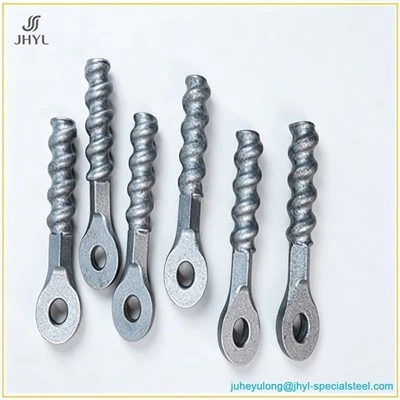
Alloy Steel Casting Parts can be used in high-temperature environments, but their suitability mainly depends on the specific operating conditions and thermal loads involved. Alloy steel is generally improved through the addition of different alloying elements, which can enhance its overall performance and help maintain structural stability when exposed to temperature changes, mechanical loads, and continuous operation. Therefore, Alloy Steel Casting Parts can be used in certain equipment that operates near heat sources or under continuous heating conditions.
However, the fact that a component is made of alloy steel does not mean that every Alloy Steel Casting Parts product can be used indefinitely under high temperatures. As the operating temperature increases, changes may occur in the internal structure of the material, which can affect properties such as strength, hardness, and resistance to deformation. If the component is also subjected to significant mechanical loads, the combined effects of heat and stress may accelerate changes in material performance. Therefore, the actual operating environment should be considered comprehensively rather than judging suitability based solely on the term "alloy steel."
The rate of temperature change is also an important factor. If a component is repeatedly heated and cooled rapidly, differences in temperature between the surface and interior may occur, creating thermal stress within the material. Repeated thermal cycling over a long period may cause deformation, surface damage, or even cracking. Therefore, special attention should be paid to Alloy Steel Casting Parts used in equipment that frequently starts and stops or experiences significant temperature fluctuations.
During actual operation, the surface condition of Alloy Steel Casting Parts should also be monitored. If abnormal discoloration, obvious deformation, cracks, localized damage, or unusual changes around connection areas are found, the component should be inspected promptly. At the same time, the component should not be exposed to temperatures beyond its suitable operating range for extended periods.
The surrounding medium in a high-temperature environment can also affect the performance of the component. For example, certain high-temperature gases, liquids, or corrosive media may cause both thermal and chemical effects, making the surface more susceptible to oxidation or corrosion. Therefore, when Alloy Steel Casting Parts are used in high-temperature applications, factors such as temperature, medium, mechanical loads, and operating cycles should all be considered.
In general, Alloy Steel Casting Parts can have good potential for high-temperature applications, but whether they are suitable for a specific high-temperature environment should be determined according to the actual operating conditions. Proper material selection, reasonable operating conditions, and regular inspections can help reduce the adverse effects of high temperatures and maintain stable equipment performance.