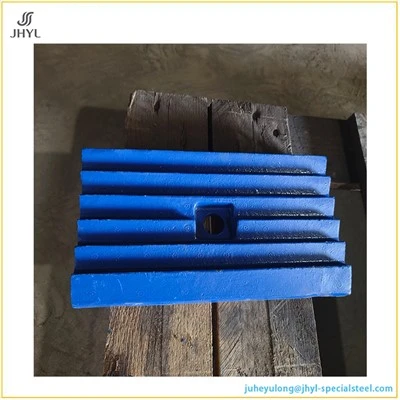
Overall, Alloy Steel Mechanical Components are mechanical parts with outstanding anti-rust and anti-oxidation performance, vastly superior to standard carbon steel, cast iron and other conventional components. They barely corrode under normal operating conditions; only faint surface oxidation will form under extremely harsh environments without protective measures, marking a fundamental difference from ordinary carbon steel, which oxidizes and corrodes rapidly.
Ordinary carbon steel rusts easily due to its simple single-element composition: contact with air and water vapor triggers rapid oxidation reactions, generating rust flakes that continuously peel away and expand corrosion inward. During smelting, alloy steel is blended with special anti-oxidation and anti-corrosion alloy elements including chromium, nickel and molybdenum, which fundamentally upgrade rust resistance from within the material structure.
Under conventional service and storage conditions - namely dry, ventilated, room-temperature indoor workshops, warehouses and moderately humid standard operating environments - Alloy Steel Mechanical Components retain intact metallic surfaces free from oxidation, rust or peeling. Even after extended idle storage, surfaces remain smooth with no obvious rust marks, requiring no complex anti-rust treatments beyond routine surface cleaning. This key advantage makes alloy steel components ideal for long-term equipment assembly and permanent inventory storage.


That said, alloy steel is not completely rust-proof; minor corrosion risks emerge after prolonged exposure to extreme harsh environments. First are high-humidity waterlogged environments: persistent rain exposure, full water submersion and sealed, poorly ventilated damp spaces allow constant water vapor to gradually erode component surfaces, breaking down the surface anti-oxidation film and generating faint surface rust over time. Second are corrosive environments featuring acid-base mist, industrial waste gas, accumulated industrial dust and heavy coastal salt spray: corrosive substances continuously wear down component surface layers and gradually induce oxidative rust. Furthermore, oil stains, impurities and dust left accumulated on surfaces without timely cleaning trap water vapor and trigger localized rust spots.
Importantly, any faint rust forming on Alloy Steel Mechanical Components differs drastically from the deep, penetrating corrosion seen on ordinary carbon steel. It only consists of shallow surface oxidation that does not penetrate or damage internal structures, exerting zero negative impact on component strength and functional performance. Basic daily protective measures - regular cleaning of surface contaminants, avoidance of prolonged damp exposure, and simple isolation barriers in corrosive environments - can fully eliminate rust risks, maintain intact component condition long-term, and drastically reduce mechanical failures caused by abrasion from rust buildup.