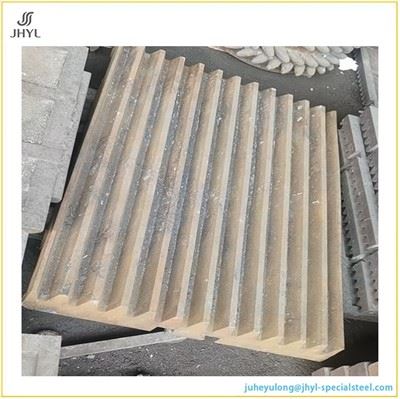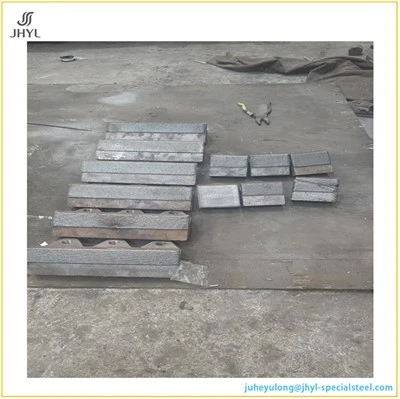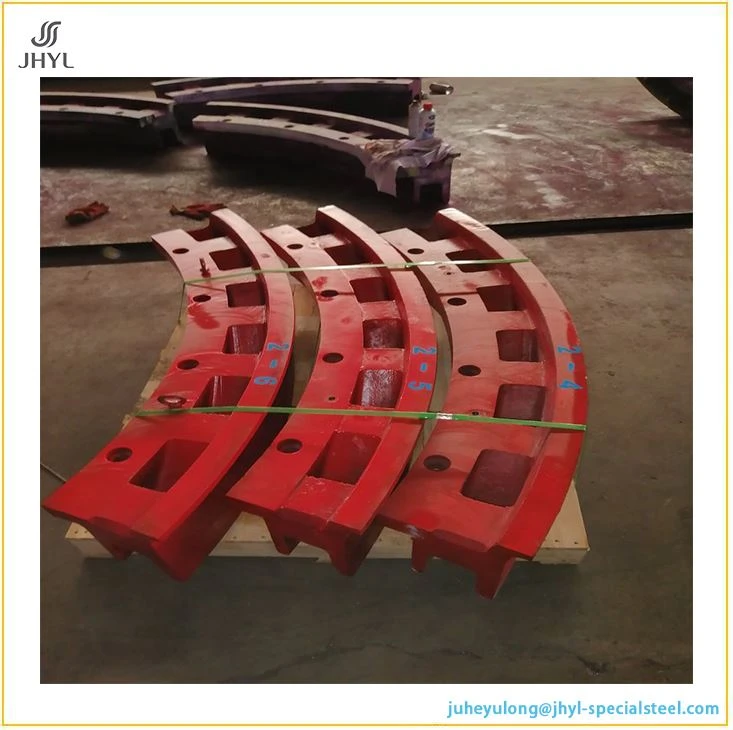
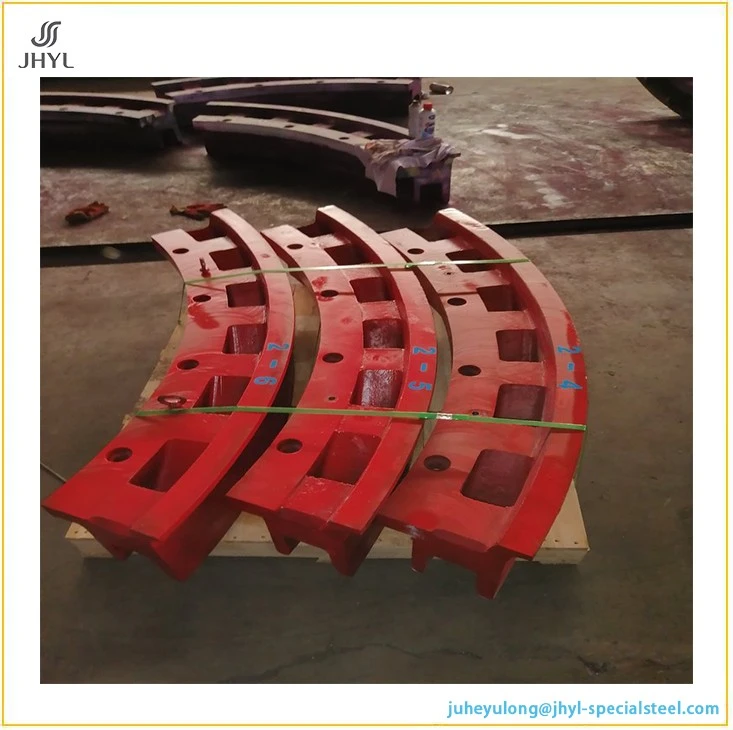
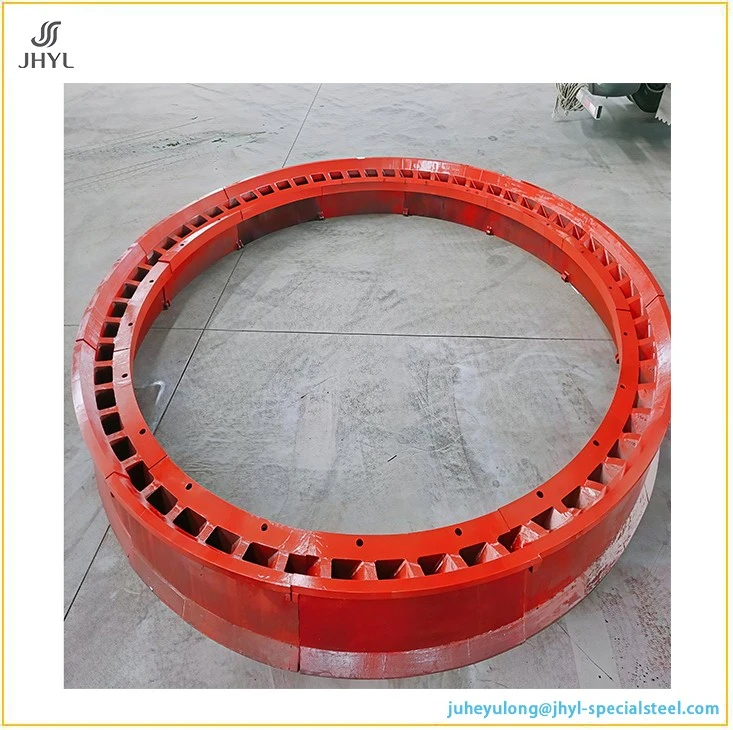
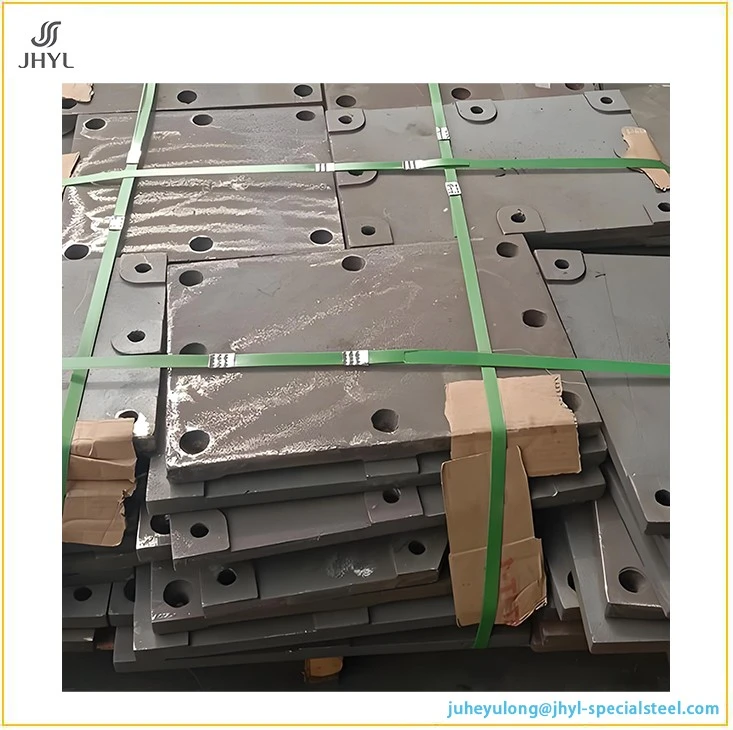
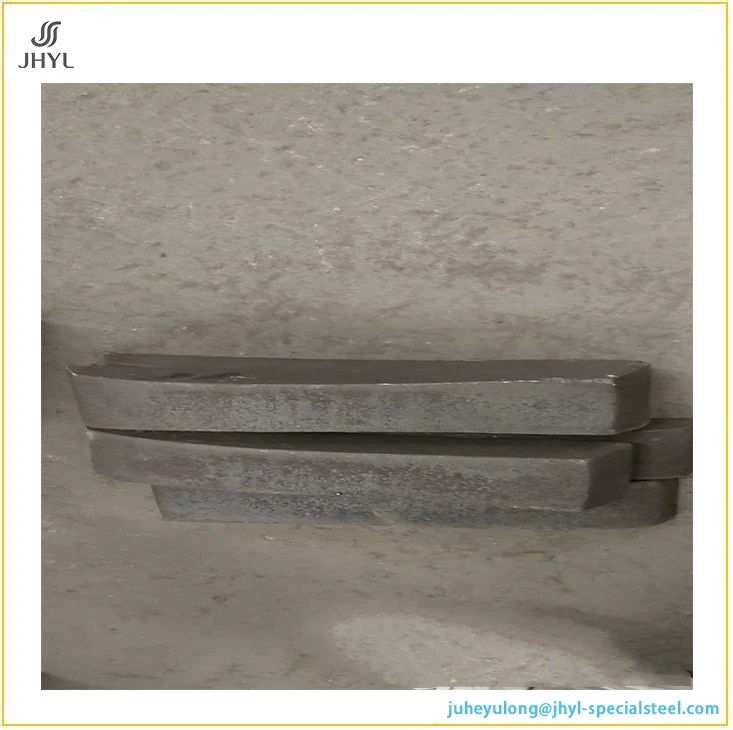
Alloy-Cast Dynamic & Static Rings for Coal Mills
Paired-set supply · High-chrome iron · Mill-model fit - built for thermal power plant maintenance where ring wear sets the outage interval
High-chrome alloy cast
HRC 58–63
Dynamic + static supplied as a pair
ZGM / HP / MPS interface fit
ISO 9001:2015 system
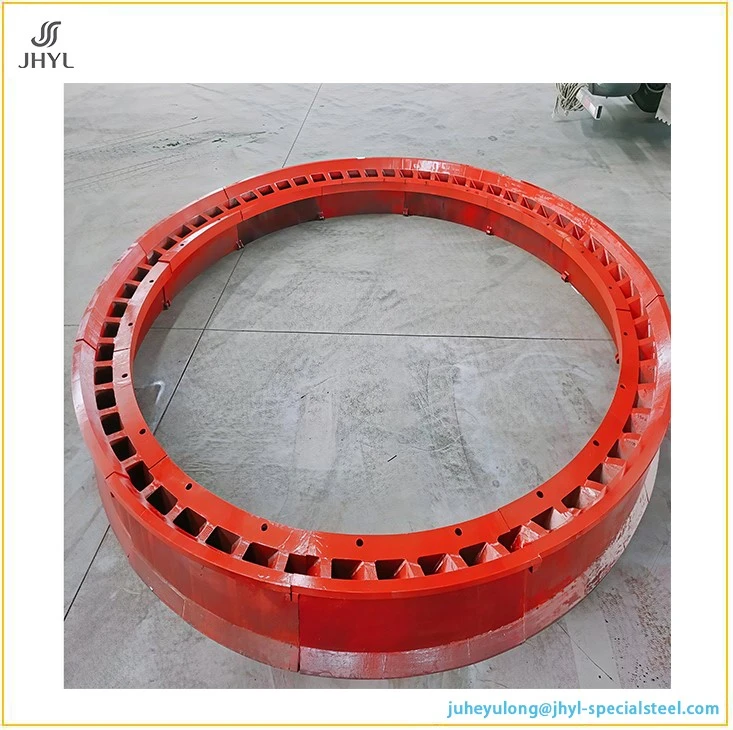
Why Buy the Rings as a Pair, Not as Two Part Numbers
The static and dynamic rings form a friction pair. They wear together, and the gap between them - not the hardness of either ring alone - determines grinding efficiency, coal fineness, and mill power draw. When one ring is replaced without the other, the unworn profile of the older ring disturbs the gap, and the new ring wears into a mismatch from day one.
We supply dynamic + static as a matched set, with the working gap and tooth/groove geometry verified against the mill model. That is the difference between a set that restores original grinding performance and a set that "fits" but underperforms.
What that means for your maintenance plan:
- One outage, one part number - both rings arrive together, inspected as a pair, eliminating the second procurement cycle mid-outage.
- Gap control, not just hardness - the pairing preserves the designed clearance so coal residence time and airflow distribution stay within the mill's original envelope.
- Wear life measured against the pair - we quote expected service life on the matched set, not on an isolated ring in a catalogue.
Material Specification - High-Chrome Alloy Cast Iron
The rings operate in high-temperature, high-dust, abrasive service; abrasive wear is the dominant failure mode, with fatigue cracking and erosion-corrosion accelerating loss at tooth roots and groove bottoms. The material grade below is specified to resist that combination, not to meet a generic "wear-resistant" label.
| Parameter | Specification | Why it matters at the mill |
| Material grade | High-chrome alloy cast iron, KmTBCr26 type (GB/T 8263) / ASTM A532 high-Cr white iron equivalent. | Carbide volume fraction drives abrasion resistance; equivalent grades allow cross-reference to OEM and international specs. |
| Chemical composition | C 2.2–3.2%, Cr 24–28%, Mn ≤2.0%, Mo 0.5–1.2%; S, P controlled. | Cr forms M₇C₃ chromium carbides; Mo refines the matrix and improves hardenability. |
| Surface hardness | HRC 58–63. | Directly correlates with resistance to coal/quartz/pyrite abrasion. |
| Microhardness (carbide phase) | HV 1800–2200. | The hard phase bears the abrasive load; a soft matrix around hard carbides is the wear mechanism. |
| Microstructure | Martensitic matrix + uniformly dispersed M₇C₃ chromium carbides | Martensitic matrix + uniformly dispersed M₇C₃ chromium carbides. |
| Service temperature | Continuous ≤420°C | Matches mill hot-air environment; avoids thermal fatigue cracking. |
| Wear life (vs. reference) | 4–6× ordinary cast-steel nozzle ring (mill-condition dependent) | Sets the replacement interval and the maintenance cost per ton of coal milled. |
Material selection note: for coal with high Hardgrove abrasiveness or high pyrite/quartz content, we recommend hardfacing on the high-wear cone and blade surfaces in addition to the high-chrome base. Hardfacing deposits a chromium-rich layer (>10 mm) with Cr ≥35% and HRC ≥60 on the surfaces that see the highest velocity impact, while the tough cast body resists cracking. We will specify hardfacing only where the duty justifies it, not as a default upcharge.
Mill-Model Fit - What We Need to Match the Interface
Dynamic and static rings are not interchangeable across mill families. The blade angle, ring diameter, mounting-hole pattern, split configuration, and labyrinth/seal geometry all vary by model. We reverse-engineer or confirm against the following interface families and supply to the drawing or to the OEM envelope:
| Mill family | Common models | What we verify before quoting |
| ZGM series (medium-speed) | ZGM95, ZGM113, ZGM123, ZGM133, ZGM145 | Outer/inner diameter, blade count and angle, split vs. monobloc, mounting-hole PCD |
| HP series (bowl mill) | HP86, HP94, HP103, HP116, HP130 | Bowl ring interface, dynamic ring rotation direction, static ring tooth profile |
| MPS series (roller mill) | MPS190, MPS225, MPS255, MPS315 | Nozzle ring vane geometry, static ring segmented vs. solid, gap setting reference |
Split Configuration - Designed Around the Outage Window
A monobloc ring that cannot pass through the mill access opening turns a ring replacement into a major disassembly. We supply both monobloc and split-type configurations, and the split layout is chosen to match the access path and the bolt/interlock arrangement of your mill:
- Monobloc casting - highest structural continuity; used where access allows full-ring handling and the mill design does not require segmentation.
- Split-type (segmented) - typically 6 segments or per OEM drawing; each segment keyed or interlocked to preserve ring circularity after assembly, allowing installation through existing access openings.
- Split with interlock - segment joints with interlocking features so the assembled ring behaves as a continuous unit under thermal and mechanical load, not as loose plates.
State the split requirement at RFQ. We will confirm the segment count, joint design, and bolt/interlock arrangement against your mill's access and OEM drawing.
Quality & Documentation - What the Plant Receiving Inspection Should Expect
For a thermal power plant spare-part procurement, the ring's certificate package is part of the product. Every set is supplied with:
- Chemical composition report - C, Cr, Mn, Mo, S, P against the specified grade.
- Hardness report - HRC readings at the working faces; minimum HRC 58, typical 58–63.
- Dimensional inspection report - OD, ID, height, blade angle, mounting-hole PCD, split-joint alignment.
- Material traceability - heat number linked to the casting batch and the certificate.
- Optional third-party inspection - TPI (BV / SGS / Intertek) at buyer's request; state at PO stage.
If your plant's QA procedure requires a specific document format or a pre-delivery inspection hold point, specify it at RFQ. We confirm before the PO, not after.
Life-Cycle Economics - The Number That Matters
Ring cost per kilogram is not the procurement metric. The metric is maintenance cost per ton of coal milled, which is driven by:
- Wear life - the interval between ring replacements; a 4–6× life advantage over ordinary cast steel resets the replacement frequency, not just the unit price.
- Outage duration - split-type rings and paired-set supply shorten the critical path of a mill overhaul.
- Grinding efficiency retention - a matched pair preserves the gap and airflow distribution, so mill output and coal fineness do not degrade progressively between overhauls.
Send us your current ring life (hours or tons milled), mill model, and coal HGI. We will return a comparative estimate on the paired high-chrome set - including whether hardfacing is justified - rather than a bare unit price.

Contact
Send us: mill model + drawing or sample photo + ring dimensions (OD / ID / height) + split requirement (monobloc / segmented / interlocked) + coal abrasiveness (HGI or description) + required documentation / TPI + quantity.
You will receive within 24 business hours: interface confirmation against your mill model, material and hardfacing recommendation, paired-set unit price at your quantity, and lead time from drawing approval.
Hot Tags: alloy-cast dynamic and static rings for coal mills, China alloy-cast dynamic and static rings for coal mills manufacturers, suppliers, factory