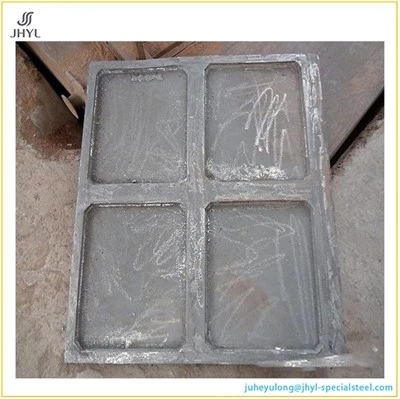
Although a Crusher Wear-Resistant Liner and an ordinary steel plate are both metal products, they differ significantly in their design purposes, material properties, application environments, and methods of use. Ordinary steel plates are generally used in conventional industrial structures, equipment housings, and metal fabrication. In contrast, a Crusher Wear-Resistant Liner is specifically designed for use inside crushing equipment, where it must withstand continuous material impact, friction, and compression. Therefore, its material selection and performance requirements place greater emphasis on resistance to wear.
First, their design purposes are different. Ordinary steel plates are mainly used to manufacture various industrial structures and metal components, such as equipment housings, support structures, platforms, and other fabricated parts. Their primary functions include providing structural support, connections, or general protection. A Crusher Wear-Resistant Liner, however, is specifically designed to protect areas inside crushing equipment that are vulnerable to material abrasion. Its main purpose is to withstand impact and friction during crushing and reduce direct damage to the main equipment structure.
Second, their material properties have different priorities. Ordinary steel plates are generally selected according to conventional structural requirements, with emphasis on factors such as strength, workability, and structural stability. A Crusher Wear-Resistant Liner places greater emphasis on wear resistance while also considering impact resistance and toughness according to the actual working conditions. Since crushing equipment experiences both continuous friction and occasional heavy impacts, the liner material needs to provide an appropriate balance of these properties.
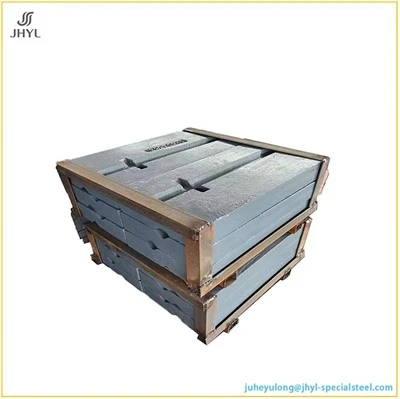
Third, their wear resistance may differ significantly. Ordinary steel plates can meet the requirements of many general industrial applications. However, when used for extended periods in high-wear crushing environments involving hard ores and rocks, their surfaces may quickly develop wear, scratches, or material loss. Crusher Wear-Resistant Liners are generally manufactured using materials suitable for abrasive working conditions. They can provide better resistance to repeated material contact and surface wear, making them more suitable for demanding crushing environments.
Fourth, their application environments are different. Ordinary steel plates are widely used in general machinery manufacturing, construction structures, metal fabrication, and equipment housings. Although these applications may involve certain mechanical forces, they do not necessarily require materials to withstand continuous impact and friction from large quantities of hard materials. Crusher Wear-Resistant Liners are mainly used in mining, quarrying, aggregate processing, and other material crushing environments, where they must withstand more severe abrasion and impact.
Fifth, their service life depends on the specific working conditions. In conventional structural applications, ordinary steel plates can maintain satisfactory performance for their intended purposes. However, if ordinary steel plates are directly used in high-wear crushing areas, their surfaces may deteriorate quickly, potentially affecting the internal structure of the equipment. Since Crusher Wear-Resistant Liners are designed for abrasive environments, they are generally more suitable for corresponding crushing applications. Nevertheless, their actual service life still depends on material hardness, particle shape, impact intensity, and maintenance practices.
Overall, the main differences between a Crusher Wear-Resistant Liner and an ordinary steel plate lie in their intended applications, material performance priorities, and working environments. A wear-resistant liner focuses on resisting material impact and friction and is primarily used to protect the internal structure of crushing equipment. Ordinary steel plates are more commonly used for general structural manufacturing and conventional industrial applications. Selecting the appropriate material according to actual working conditions helps improve equipment stability and operational efficiency.