In mining, mineral processing, and cement production, equipment failure due to abrasive wear is one of the biggest contributors to downtime and maintenance costs. Components such as slurry pump impellers and mill liners are constantly exposed to high velocity slurries containing sharp particles, hard rocks, and corrosive liquids. For these extreme conditions, ordinary steel or gray iron simply cannot survive. That is where wear resistant high chrome cast iron becomes the material of choice.
High chrome cast iron is a white iron alloy containing between 11 and 30 percent chromium. The high chromium content promotes the formation of hard chromium carbides that are much harder than the silica or quartz particles typically found in industrial slurries. These carbides are dispersed throughout a martensitic matrix, creating a composite structure that resists both scratching and high stress abrasion. Depending on the specific alloy design and heat treatment, high chrome cast irons can achieve hardness levels exceeding 60 HRC while still maintaining adequate toughness to withstand moderate impacts.
Slurry pump impellers are the heart of any hydraulic transport system. They spin at high speeds while pushing abrasive mixtures of water, sand, rocks, and chemicals. If the impeller erodes unevenly, it loses hydraulic efficiency and must be replaced. High chrome cast iron impellers provide excellent erosion resistance, maintaining their original profile far longer than rubber lined or low alloy steel alternatives. The material also resists galvanic corrosion when handling acidic or saline slurries, further extending service life.
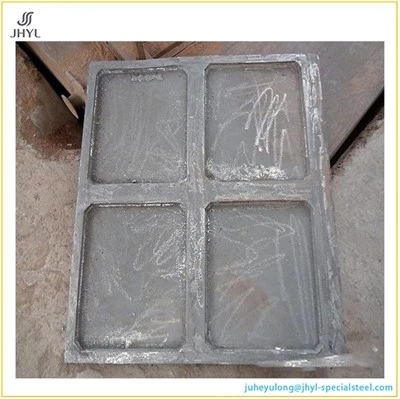
Mill liners protect the steel shell of ball mills and SAG mills while transferring energy to the grinding charge. These liners experience both sliding abrasion from the material being ground and impact from steel balls or rocks. High chrome cast iron liners offer a perfect balance of hardness and toughness when properly heat treated. Their wear life often exceeds that of manganese steel liners by a factor of two or three, especially in dry grinding applications. Furthermore, high chrome liners can be designed with lifter bars and wave profiles that optimize grinding efficiency while wearing evenly.
When sourcing high chrome cast iron components, buyers should specify the required microstructure and hardness range, as well as impact testing for larger parts. Heat treatment must be carefully controlled to avoid cracking or retained austenite. With proper metallurgy, high chrome cast iron delivers exceptional wear resistance that significantly reduces maintenance intervals and lowers total operating costs for slurry pumps and grinding mills.