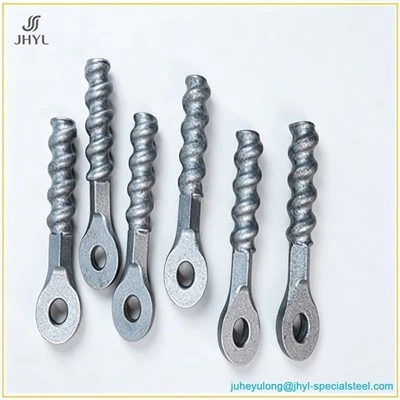
Alloy steel used in the as-cast condition is also known as cast alloy steel. Based on their applications, alloy cast steels are classified into cast alloy structural steel and special-purpose alloy cast steel.
The former is low- and medium-alloy cast steel, mainly used for manufacturing general mechanical structural parts. The latter is mostly high-alloy cast steel, such as wear-resistant cast steel, stainless and acid-resistant cast steel, heat-resistant cast steel, and cast alloy tool steel.
The casting properties of cast alloy structural steel and special-purpose low-alloy cast steel are similar to those of carbon cast steel. Elements such as chromium and molybdenum reduce the fluidity of the molten steel.
Copper, manganese, and nickel improve fluidity. The volume shrinkage rate of steel is mainly related to the carbon content. Higher carbon content results in a larger shrinkage rate, and the influence of alloying elements on it is relatively small. Manganese and elements that refine the crystal structure, such as vanadium, titanium, and zirconium, can reduce the tendency for hot cracking, while chromium and molybdenum increase the tendency for hot cracking.
Due to the reduced thermal conductivity caused by alloying elements, casting stress increases, leading to an increased tendency for cold cracking in cast steel parts, especially in steels containing manganese, chromium, and molybdenum.