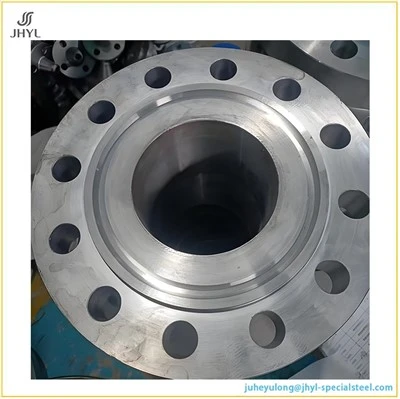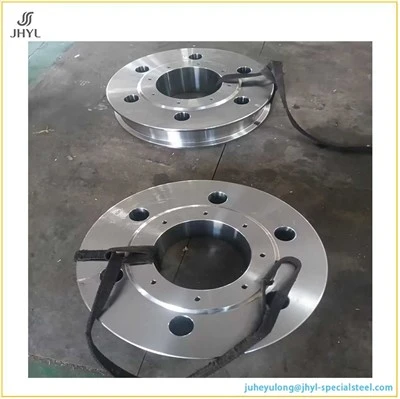
Products Description
Steel Forging Ring is a core annular component manufactured from special alloy steel via multi‑step precision forging processes. It features a dense, uniform internal microstructure free of obvious welding or splicing defects and delivers outstanding comprehensive mechanical properties. Designed for core load‑bearing and transmission components of various heavy‑duty equipment, this product can operate stably over extended periods under complex working conditions with heavy loads and strong impacts. It is widely used in key industrial sectors including heavy industry, energy and metallurgy, providing robust component support for the reliable operation of diverse large‑scale equipment.
Product Image
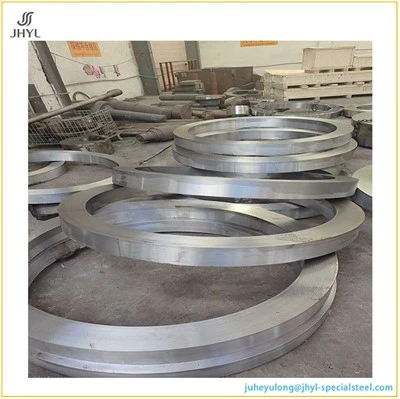
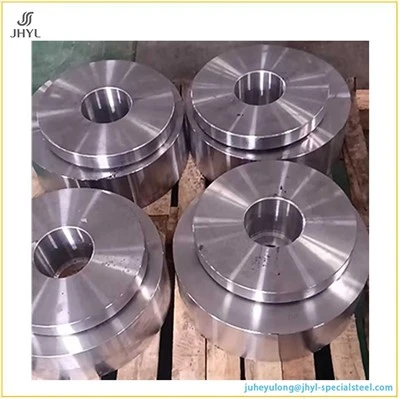
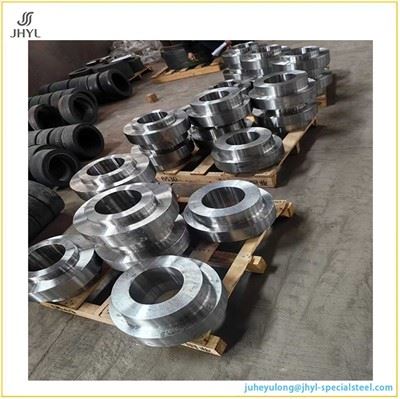
Product Advantages
Dense Microstructure
Steel Forging Ring is formed through repeated forging. It has continuous, intact internal metal flow lines with no internal defects such as porosity or blowholes.
01
Superior Strength
Its overall mechanical performance far surpasses that of comparable rings rolled from ordinary sheet metal, enabling it to withstand heavy‑load and high‑impact working conditions.
02
Extended Service Life
It boasts excellent structural stability and resists failures such as deformation and cracking during long‑term continuous operation.
03
Broad Compatibility
Material formulations and forming processes can be adjusted to satisfy the operating requirements of different equipment, covering a wide range of working scenarios.
04
Working Principles
Forging‑Driven Microstructure Modification
Large‑tonnage forging equipment applies repeated pressure to blanks to break down coarse internal grains and produce a denser, more uniform metal microstructure.
Stress Homogenization
Multi‑step forging gradually relieves inherent internal stress within the material and prevents cracking triggered by stress concentration during subsequent service.
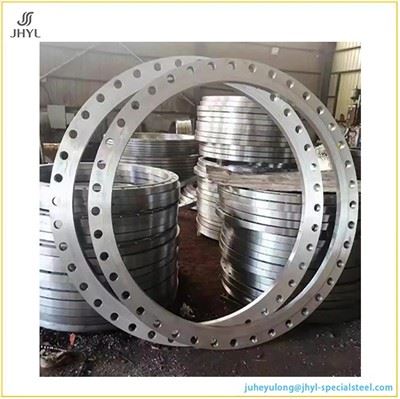
Flow‑Line Forming
During forging, metal fibers are guided to extend naturally along the annular contour, creating a continuous, complete metal flow‑line structure.
Setting and Strengthening
Subsequent heat‑treatment procedures modify the material's internal metallographic structure to further improve the product's comprehensive mechanical performance.
Application Scope
Heavy‑Duty Mining Equipment: Suitable for core transmission rings of heavy‑duty mining excavation and hoisting equipment subject to heavy‑load and high‑impact working conditions.
Metallurgical Equipment Support: Applied as support rings for metallurgical rolling equipment, adapting to continuous‑production scenarios with high temperatures and heavy dust.
Pressure Vessel Support: Serves as connecting load‑bearing rings for various high‑pressure vessels, ensuring structural sealing and mechanical strength under high‑pressure working conditions.
Construction Machinery Support: Used as slewing bearing ring blanks for large‑scale construction machinery, delivering core structural support for equipment slewing movements.
Relevant Data
| Parameter | Range / Details |
| Outer Diameter (OD) | 200 mm – 6000 mm (8" – 236") |
| Inner Diameter (ID) | 100 mm – 5500 mm (4" – 217") |
| Height (Width) | 50 mm – 1500 mm (2" – 59") |
| Heat Treatment | Quenched & Tempered, Normalized, Annealed, Stress Relieved |
| Weight | Up to 15,000 kg per piece |
| Standards | ASTM A290, A504, A668, A723; ASME SA-372; EN 10228; ISO 9001 |
| Finish | As-forged, rough machined, or finish machined |
Functional Characteristics
High Impact Resistance
The dense structure from integral forging allows the product to sustain frequent heavy impact loads without easy cracking or deformation.
Good Temperature Resistance
With adjusted material formulations, it can operate stably long‑term under medium‑high‑temperature conditions with no noticeable decline in mechanical performance.
Strong Fatigue Resistance
Continuous, complete metal flow‑line structures greatly enhance fatigue service life and resist failures under long‑term cyclic loads.
Operating Instructions
Parameter Verification
Prior to installation, verify the specifications and material parameters of Steel Forging Ring. Confirm full compliance with the corresponding equipment's design requirements before carrying out installation work.
Standardized Assembly
Complete installation strictly in accordance with the equipment's assembly process specifications. Avoid brute hammering and improper assembly that may damage matching working surfaces.
Trial‑Run Inspection
Carry out short‑duration trial operation after initial startup. Confirm that the ring runs without abnormal noise or excessive temperature rise before formal production.
Periodic Inspection
Conduct regular inspections on the ring's operating status during daily production. Shut down equipment promptly for troubleshooting if any abnormalities are detected.
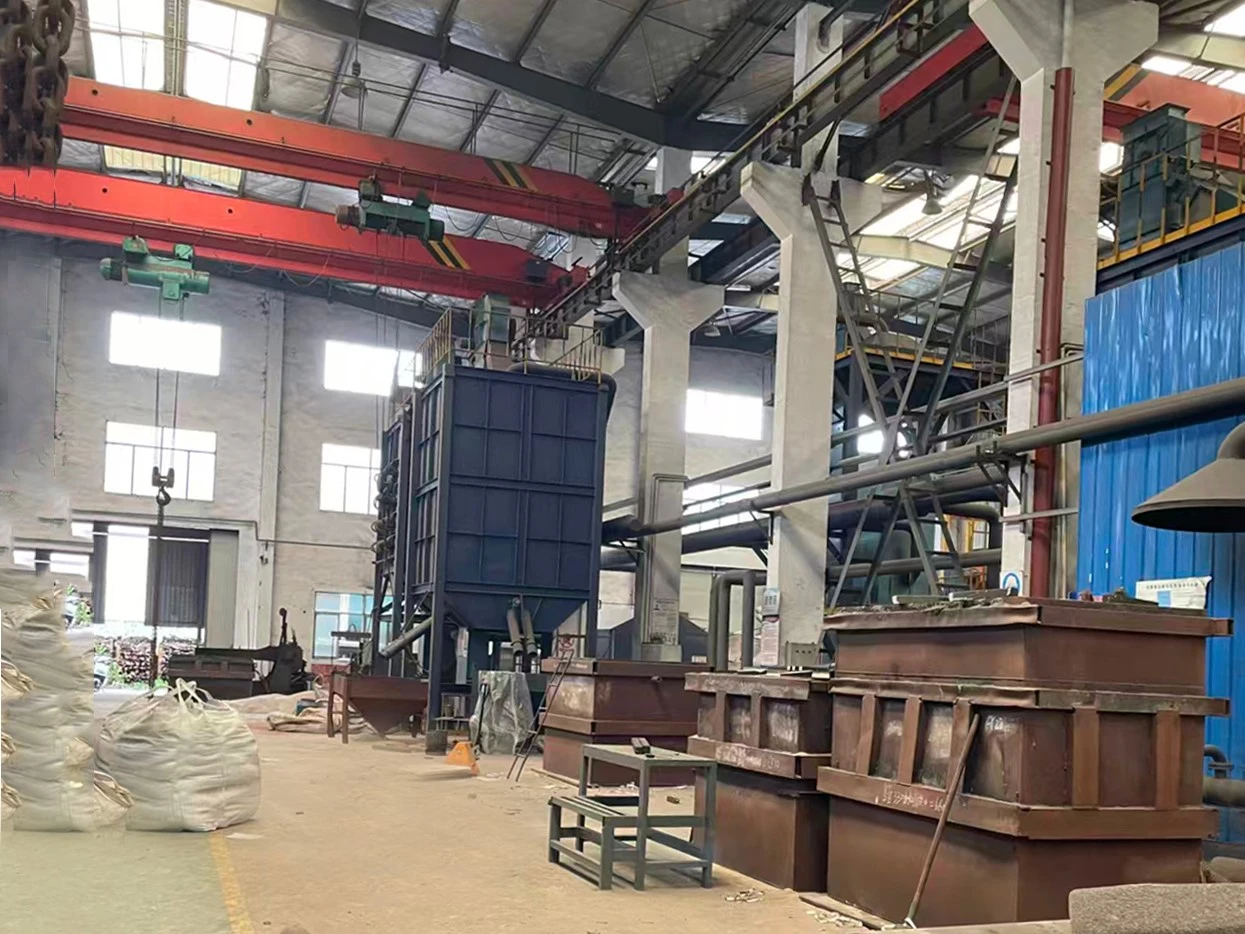
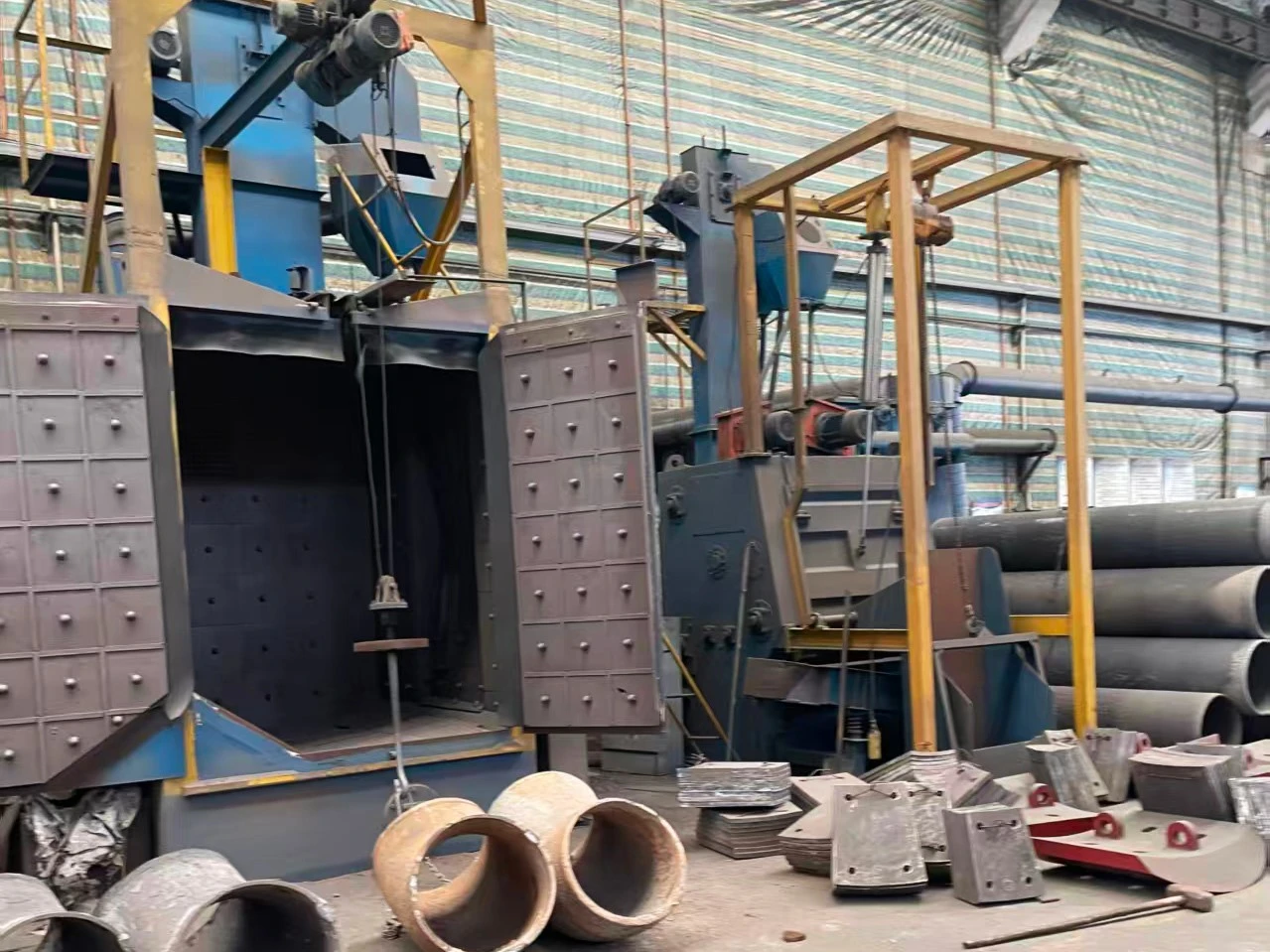
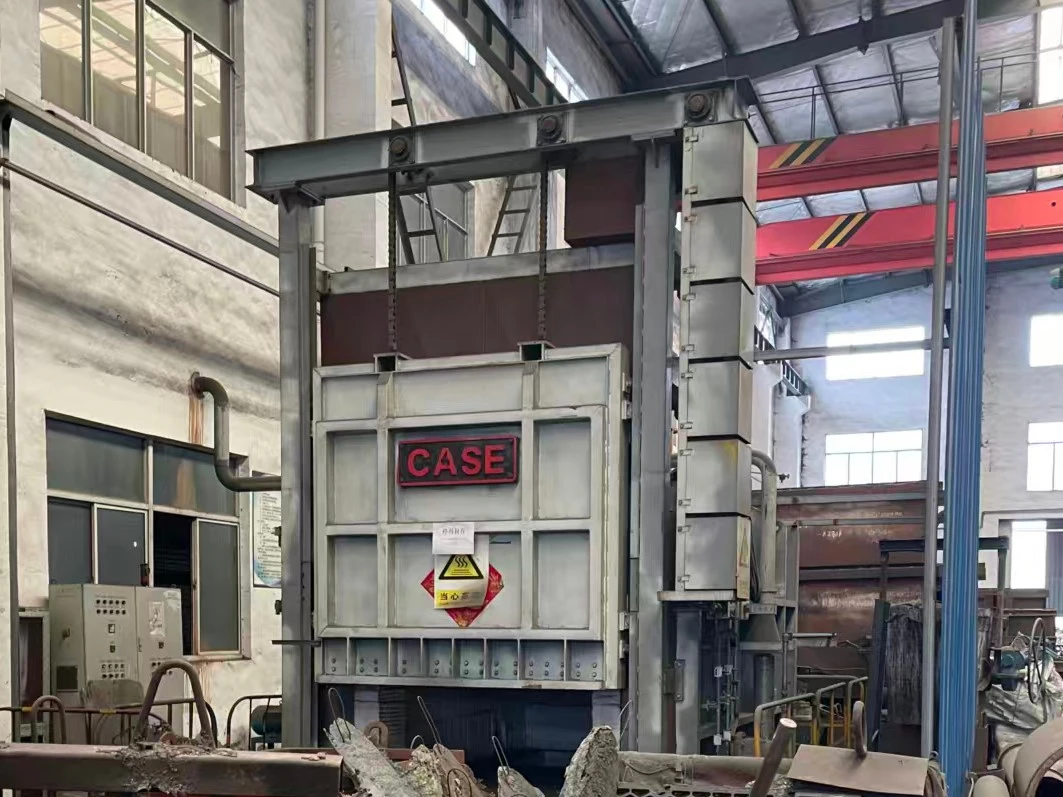
Factory Environment
Hot Tags: steel forging ring, China steel forging ring manufacturers, suppliers, factory, forging metal parts