GX130CrSi29, also designated by the material number 1.4777, represents a specialized and high-performance grade within the family of heat-resistant cast steels. Its designation, following standards such as EN 10295, provides a clear indication of its composition and intended use. The G signifies its nature as a casting material, while the X denotes a high-alloy steel. The numbers and symbols 130CrSi29 point to its defining characteristics: a high carbon content of approximately 1.30 percent and substantial chromium and silicon alloying elements, with chromium targeted around 29 percent. This material is engineered for the most demanding high-temperature environments where components must withstand not only extreme heat and oxidation but also significant wear and mechanical abuse. It finds its purpose in sectors like mineral processing, petrochemicals, and power generation, where durability and resistance to combined thermal and mechanical degradation are paramount.
The exceptional performance of GX130CrSi29 is a direct consequence of its carefully calibrated chemical composition, which distinguishes it from lower-carbon heat-resistant grades. The specification mandates a carbon range of 1.2 to 1.4 percent by weight. This elevated carbon level is the primary factor responsible for the materials high hardness and outstanding resistance to abrasive wear. The carbon combines with chromium to form a significant volume of hard chromium carbides within the steels microstructure. These carbides provide a tough, wear-resistant surface that can withstand the scouring action of minerals, ash, and other particulate materials at high temperatures. The most defining characteristic remains its high chromium content, specified between 27.0 and 30.0 percent. This substantial chromium presence is crucial for providing the steel with its exceptional resistance to oxidation and corrosion at elevated temperatures. When exposed to hot oxidizing atmospheres, chromium facilitates the formation of a dense, adherent, and stable chromium oxide layer on the surface. This protective scale acts as an impenetrable barrier, shielding the underlying metal from further attack by oxygen, sulfur, and other corrosive combustion gases, thus preventing scaling and material wastage. Silicon, present in the range of 1.0 to 2.5 percent, works synergistically with chromium. It not only improves the fluidity of the molten steel during the casting process, allowing for the production of complex shapes, but also enhances the formation and stability of the protective oxide scale, further boosting high-temperature oxidation resistance. Other elements are carefully controlled. Manganese is allowed in the range of 0.5 to 1.0 percent, while phosphorus and sulfur are kept to very low maximums of 0.035 percent and 0.03 percent respectively to ensure sound castings and prevent issues like hot cracking. Nickel and molybdenum are considered residual elements and are limited to maximums of 1.0 percent and 0.5 percent each, as they are not primary alloying additions for this specific ferritic grade.
The mechanical properties of GX130CrSi29 reflect its dual-purpose design for high-temperature strength and wear resistance. While data from separately cast test pieces at room temperature provide a baseline for quality control, its true value is demonstrated in service. The yield strength, indicating the stress at which plastic deformation begins, is typically reported around 299 MPa, with tensile strength values often cited at approximately 581 MPa. Ductility, measured by elongation, is more limited in this high-carbon alloy, typically around 23 percent, which is characteristic of a material optimized for hardness and wear resistance over formability. The hardness of the material is a key performance indicator, with Brinell hardness values often found to be around 141 HBW, though this can vary based on the castings section size and heat treatment condition. It is crucial to understand that these room-temperature properties are not the primary design parameters for high-temperature applications. In service, the materials performance is governed by its resistance to creep, its ability to withstand long-term stress at high temperatures without progressive deformation, and its microstructural stability. Its resistance to carburization, the unwanted absorption of carbon which can lead to embrittlement, is also a valuable attribute in hydrocarbon processing environments. Perhaps most importantly, its high hardness ensures that components like agitator blades and chutes maintain their form and function even when handling hot, abrasive solids.
Physical properties further define the application envelope for GX130CrSi29. Its density is approximately 7.6 g/cm, which is typical for high-alloy ferritic steels and essential for weight calculations in component design. Thermal properties are particularly critical for parts subjected to thermal cycling and high heat fluxes. The material exhibits a mean coefficient of thermal expansion that dictates dimensional changes with temperature, a factor that must be accounted for in design to manage thermal stresses and maintain clearances between moving or adjacent parts. Specific data indicates its coefficient of linear thermal expansion is around 11.5 x 10/K between 20C and 400C, increasing to 16.0 x 10/K between 20C and 1000C. Its thermal conductivity, which governs how efficiently heat is transferred through the material, is approximately 18.8 W/mK at room temperature, influencing temperature gradients within a component during heating and cooling. The modulus of elasticity, which measures stiffness, decreases with increasing temperature, a factor engineers must consider in structural calculations at high temperatures. A crucial specification for this material is its maximum use temperature. According to standards like DIN EN 10295, GX130CrSi29 is rated for service up to 1100C in oxidizing atmospheres. However, this limit is reduced to 1050C in reducing combustion atmospheres or in environments containing sulfur-bearing gases, where the protective oxide layer can be compromised. This temperature capability is slightly lower than that of some nickel-rich austenitic grades, but its wear resistance gives it a unique advantage in specific applications.
As a cast steel, GX130CrSi29 is almost exclusively shaped into finished or near-finished components through various foundry processes. The G in its designation underscores that its properties are optimized for the as-cast condition. This allows for the economical production of complex, heavy-section geometries, such as agitator arms, burner drums, hearth plates, and chutes, which would be impossible to fabricate through wrought processes like forging or rolling. The material is typically supplied in the as-cast state, meaning after solidification and cooling from the foundry, it is ready for use or for limited machining to final dimensions. However, heat treatments may be applied if agreed upon. For instance, the ISO 11973 standard for heat-resistant cast steels notes that grades like GX130CrSi29 may be annealed at temperatures in the range of 800 to 850 degrees Celsius. Such a treatment can be performed to soften the material slightly for machining or to relieve internal stresses generated during cooling of complex castings, thereby enhancing dimensional stability. A critical consideration for this material is its weldability. Due to its high carbon and chromium content, GX130CrSi29 is generally considered not weldable under normal shop conditions. Its microstructure is prone to cracking during welding, so if joining is absolutely necessary, very specialized procedures and filler materials are required, and often the design will avoid welded connections altogether.
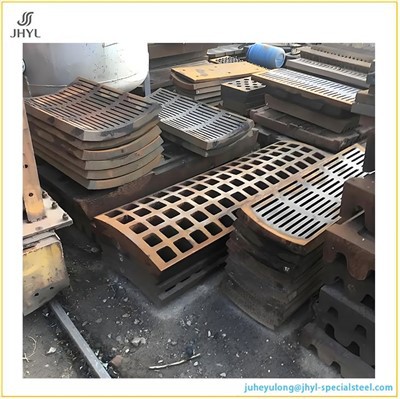
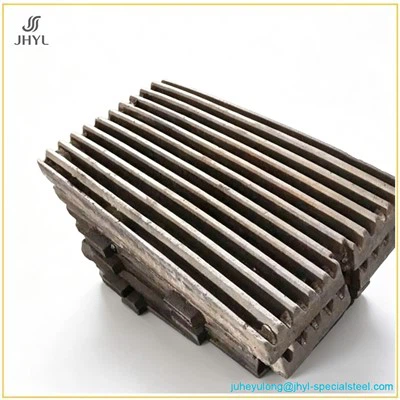
The selection of GX130CrSi29 for a particular application is driven by its unique combination of high-temperature oxidation resistance and exceptional resistance to abrasive wear. One of its primary areas of use is in the construction of equipment for mineral processing and pyrometallurgy. It is commonly employed to fabricate agitator teeth and arms for iron pyrite roasting furnaces. In these applications, the components must stir hot, abrasive sulfide ores at high temperatures, enduring both chemical attack from sulfur-bearing gases and mechanical wear from the ore particles. Its resistance to both phenomena makes it the material of choice. Similarly, it is used for burner drums, slide bars, chutes, and hearth plates that handle hot bulk solids like ash, clinker, or ore. These components must not only support heavy loads at high temperatures but also resist the scouring action of materials sliding over them. In the petrochemical and power generation industries, it finds use in feed racks, ladles, and other highly wear-resistant castings that are exposed to heat and abrasive environments. The materials ability to maintain a hard, wear-resistant surface while resisting high-temperature oxidation ensures long service life in these demanding conditions, reducing downtime and maintenance costs.
When compared to other heat-resistant grades, GX130CrSi29 occupies a distinct niche at the intersection of high-temperature strength and wear resistance. It belongs to the family of ferritic heat-resistant steels, characterized by their ferritic microstructure. This differentiates it from both lower-carbon ferritic grades like GX40CrSi28 and the more highly alloyed austenitic stainless steels. Compared to GX40CrSi28, which contains only 0.4 percent carbon and is optimized primarily for oxidation resistance and structural strength, GX130CrSi29 sacrifices some ductility and fabricability for significantly higher hardness and wear resistance. This makes it the superior choice where abrasion is a primary concern. Compared to austenitic heat-resistant steels, which often contain substantial nickel to stabilize an austenitic structure and offer higher creep strength, GX130CrSi29 provides a more cost-effective solution in applications where ultimate high-temperature strength is not the primary requirement, but where resistance to a combination of oxidation and wear is paramount. Its high chromium content offers protection up to 1100C, comparable to many austenitic grades, but at a lower material cost due to the absence of nickel as a primary alloying element. The ISO 11973 standard provides guidance on grade comparison, allowing engineers to make informed selections based on specific service conditions, weighing factors like temperature, atmosphere, mechanical load, and wear potential.
In conclusion, GX130CrSi29 is a specialized and highly effective heat-resistant cast steel whose value lies in its unique combination of high chromium content for oxidation resistance and high carbon content for wear resistance. Its carefully balanced chemical composition ensures the formation of a protective oxide layer that guards against high-temperature corrosion, while the hard chromium carbides provide the durability needed to withstand abrasive environments. As a casting alloy, it offers the design flexibility to produce complex, heavy-duty parts for the most demanding industrial equipment. While it may not possess the weldability or extreme creep strength of some other grades, its outstanding performance in applications involving hot abrasion, such as in mineral processing and material handling, ensures its continued and essential use. For engineers tasked with selecting materials for high-temperature service where wear is a significant factor, understanding the specific properties and capabilities of GX130CrSi29 is key to specifying a material that will deliver safe, long-lasting, and economical performance. Its formal recognition in international standards like EN 10295 and ISO 11973 solidifies its status as a critical material in the field of high-temperature engineering.